When dozens or hundreds of pneumatic connections are used across a factory, small purchasing inconsistencies can create surprisingly large maintenance problems. Different tube sizes, mixed thread standards, unsuitable fitting materials, and limited spare availability can all complicate routine repairs.
Choosing a dependable pneumatic fittings supplier in Navi Mumbai can help industrial buyers standardize purchasing and improve component availability.
Check Whether the Supplier Covers Common Configurations
Industrial pneumatic systems use more than straight connectors.
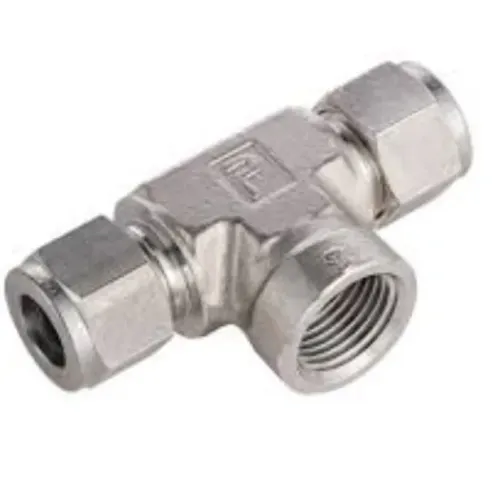
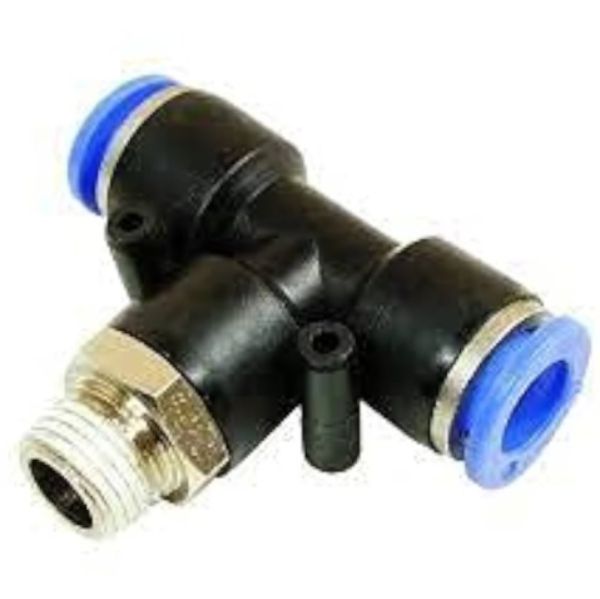
A practical range may include elbows, tees, reducers, threaded connectors, bulkhead fittings, flow-control fittings, silencers, and related accessories.
Access to multiple configurations is useful when machines have restricted installation space or different connection requirements.
Evaluate Technical Identification Support
Maintenance teams do not always have an exact part number available.
Sometimes the requirement starts with an old fitting removed from a machine. In this situation, accurate identification requires information such as tube outside diameter, thread size, fitting configuration, material, and working conditions.
A supplier that asks for these details can reduce trial-and-error purchasing.
Consider Related Product Requirements
A fitting rarely operates alone.
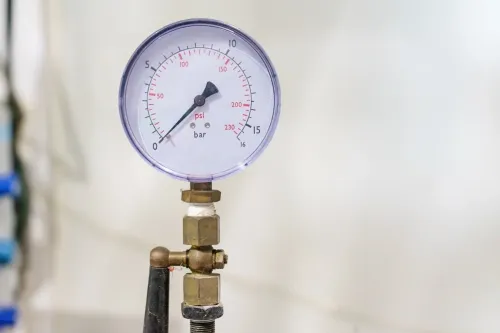
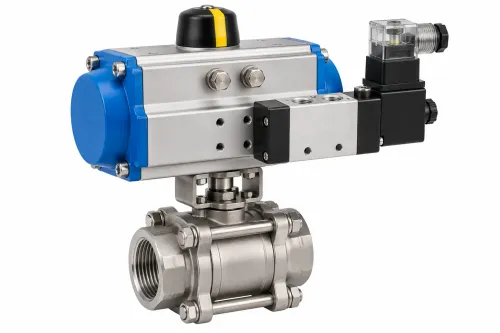
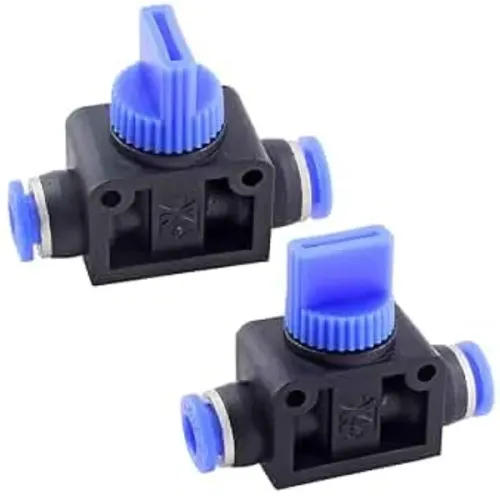
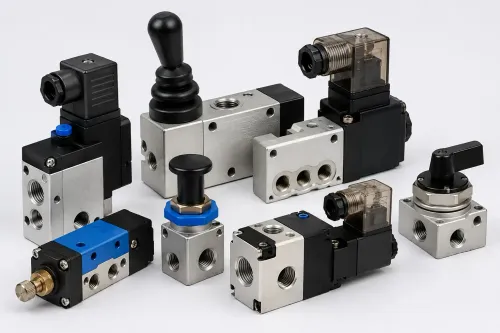
It forms part of a system containing tubes, pneumatic valves, cylinders, regulators, pressure gauges, and other components. Hydraulic machinery may similarly require hoses and related fluid-power products.
For plants managing different types of equipment, sourcing complementary components through a knowledgeable industrial provider can make procurement more organized.
Review Quality and Application Suitability
Price matters, particularly when fittings are purchased in quantity, but unit price should not be considered independently from application requirements.
An inexpensive fitting that repeatedly leaks or does not suit the operating environment can create additional maintenance work and compressed-air losses.
Evaluate:
- Pressure rating
- Tube compatibility
- Thread accuracy
- Material
- Temperature range
- Environmental conditions
- Ease of installation
- Reusability where applicable
Standardize Frequently Used Components
Factories can simplify stores management by identifying the fittings used most often and standardizing them where machine design permits.
Create an inventory list showing the exact description, tube size, thread, fitting type, machine application, and normal stock quantity.
This can also prevent emergency orders based on incomplete descriptions.
Consider Local Industrial Requirements
Navi Mumbai's industrial landscape includes manufacturers, automation companies, machine builders, fabrication businesses, processing facilities, and maintenance contractors. Operations in TTC MIDC, Mahape, Rabale, Pawane, Turbhe, and nearby Maharashtra industrial zones may require regular access to pneumatic and hydraulic replacement components.
Super Hydro Pneumatic caters to these industrial requirements with pneumatic fittings, valves, pressure gauges, hoses, and related fluid-power components.
Before selecting a supplier, assess technical understanding, product range, specification matching, and the ability to support repeat requirements. A structured supplier-selection process helps purchasing teams move beyond one-time emergency procurement and build a more dependable component supply system for ongoing industrial maintenance.
Keywords