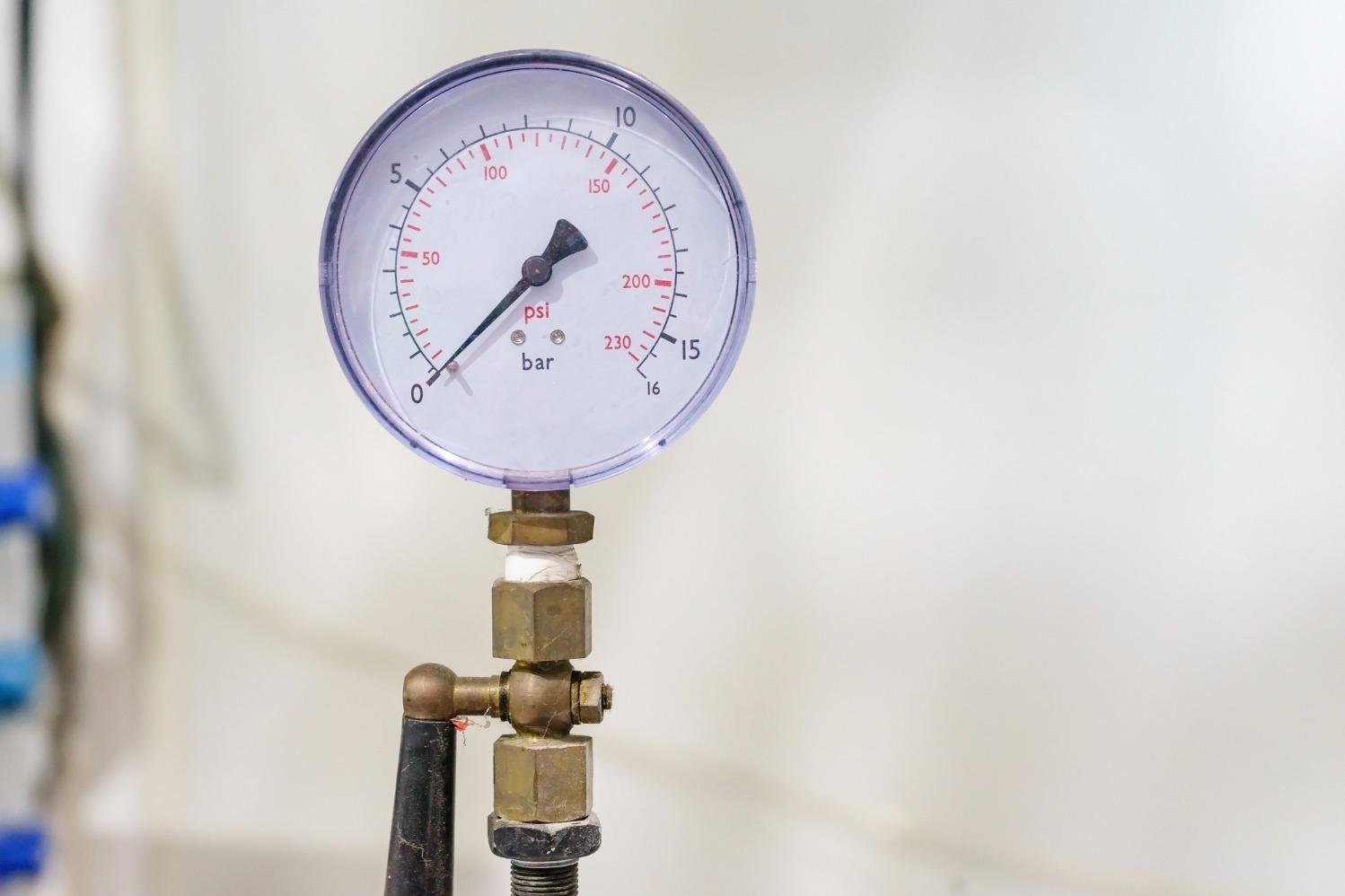
A pressure gauge is relatively inexpensive compared with most industrial machines, yet selecting the wrong one can make pressure readings difficult to interpret or unsuitable for the application. Buyers looking for a pressure gauge supplier in Navi Mumbai should therefore prepare several technical details before requesting a model.
This makes quotations easier to compare and reduces the risk of ordering an unsuitable instrument.
Know the Required Pressure Range
Start with the machine's normal operating pressure and expected maximum pressure.
The selected gauge should provide a practical scale for observing normal conditions rather than forcing operators to read values from a tiny section of an unnecessarily large range.
If pressure pulsates or spikes, communicate this when discussing the application.
Specify the Medium
A pressure gauge may be exposed to compressed air, water, hydraulic oil, or another compatible process medium.
The wetted materials need to be suitable for what the gauge measures. Media compatibility is particularly important in applications involving aggressive or unusual fluids.
Select a Readable Dial Size
Larger dials can be easier to read from a distance, while compact gauges are useful where installation space is limited.
Consider where operators will stand when checking the reading. A technically correct gauge provides limited practical value if the scale cannot be read easily during routine inspections.
Determine the Connection Position
Gauge connections may be arranged differently depending on the mounting location.
Before ordering, check whether the existing equipment requires a bottom, rear, or another connection arrangement. Thread specification should also be confirmed rather than estimated.
Account for Vibration and Pulsation
Machines such as pumps, compressors, and hydraulic equipment can expose gauges to vibration or pressure pulsation.
These operating conditions should be discussed during selection because they can influence the type of gauge or accessory required.
Prepare a Simple Purchase Specification
Procurement teams can reduce ambiguity by recording:
- Pressure range
- Preferred unit of measurement
- Dial size
- Connection position
- Thread specification
- Process medium
- Operating temperature
- Vibration conditions
- Mounting requirements
- Required quantity
A photograph can be useful for identification, but it should supplement technical information rather than replace it.
For engineering businesses, process facilities, workshops, and manufacturing companies across Navi Mumbai and Maharashtra, standardized gauge specifications can simplify repeat purchases and maintenance inventory.
Super Hydro Pneumatic provides pressure gauges along with pneumatic and hydraulic components for industrial applications. Buyers can approach the company with existing component details or application specifications when identifying a suitable requirement.
Choosing a pressure gauge is ultimately a measurement decision rather than simply an accessory purchase. Correct range, connection, readability, media compatibility, and operating conditions should all be considered before the gauge is installed on industrial equipment.
Keywords