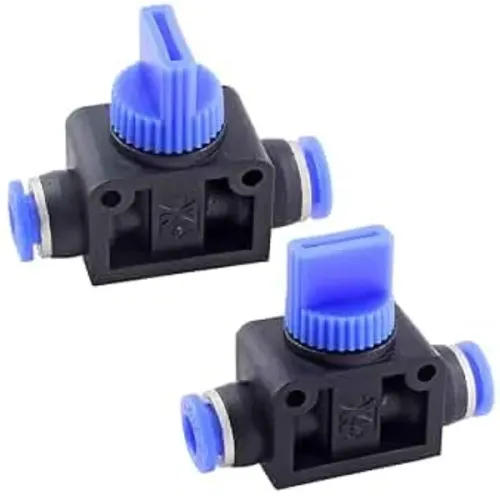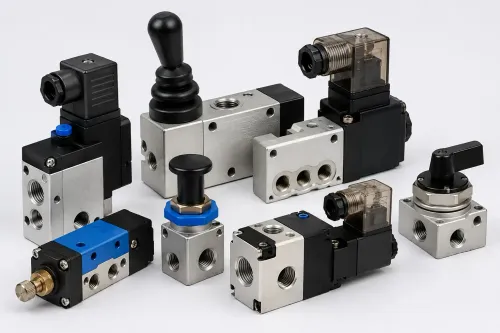
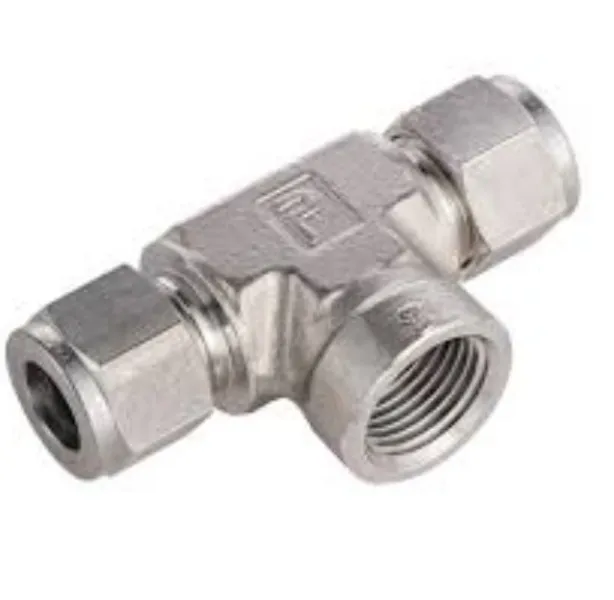
Buying replacement fittings can seem straightforward until a machine is stopped and the new connector does not match the tube, thread, or installation space. A short technical checklist can make purchasing SMC fittings and other pneumatic connectors more accurate.
This is particularly useful for procurement departments that receive component requests from several machines or maintenance teams.
Record the Tube Outside Diameter
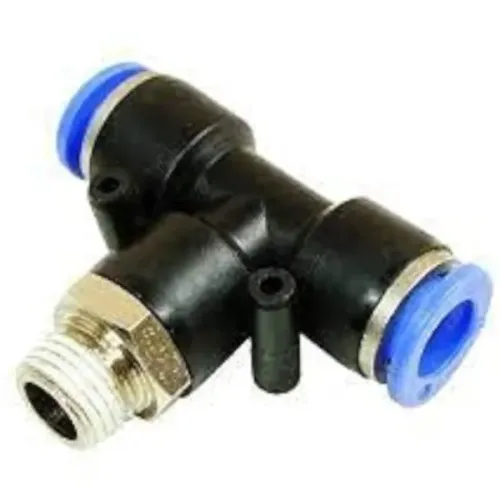
Pneumatic push-in fittings are commonly selected according to the outside diameter of the tube.
Do not estimate this measurement visually. Similar sizes can easily be confused, particularly when a facility operates machinery designed around different measurement standards.
Record the tube specification before ordering.
Identify the Connection Type
Determine whether the fitting connects:
- Tube to tube
- Tube to threaded port
- Multiple tubes
- Different tube sizes
- A panel or bulkhead
- A flow-control device
This immediately narrows the required fitting configuration.
Confirm Thread Specifications
Thread mismatch is one of the easiest ways to turn a simple maintenance task into a delay.
Check the equipment port and identify the thread type and size. Do not force a fitting into a port simply because the threads appear close.
Incorrect threading can damage both the fitting and equipment body.
Review the Installation Space
Machine design may limit which fitting shape can be used.
A straight fitting may technically connect correctly but leave insufficient room for tubing. An elbow or swivel configuration can sometimes provide cleaner routing in restricted spaces.
Measure available clearance if the installation is compact.
Match the Operating Conditions
Before purchasing, verify:
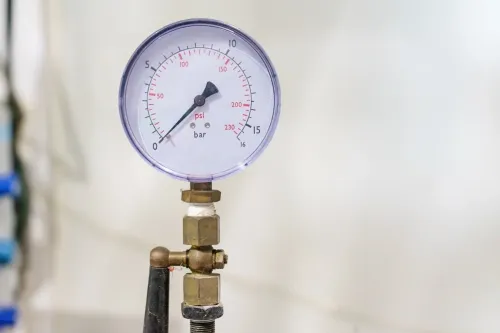
- Working pressure
- Operating temperature
- Tubing material
- Fluid or air compatibility
- Environmental exposure
- Frequency of tube removal
- Required flow
A fitting used inside clean automation equipment may face different conditions from one installed near coolant, oil, dust, heat, or washdown areas.
Avoid Mixing Parts Without Checking Compatibility
Industrial plants often contain equipment from multiple manufacturers. Maintenance teams may therefore keep a wide variety of connectors in stores.
While alternatives can sometimes be technically suitable, compatibility should be verified from specifications rather than assumed from appearance.
Keep Better Stores Records
For frequently used fittings, record the part description together with tube size, thread, configuration, and machine application.
This creates a more useful inventory reference than a generic description such as 'air connector.'
Industrial units throughout Navi Mumbai and Maharashtra can benefit from standardized component records, especially when several machines share common pneumatic parts.
When exact specifications need to be matched, Super Hydro Pneumatic supplies pneumatic and hydraulic components for industrial requirements, including fittings used in automation and maintenance applications.
A reliable buying checklist is simple: identify the tube, connection, thread, pressure, environment, configuration, and available space. Those few details can substantially reduce incorrect purchases and make pneumatic maintenance more efficient.
Keywords