A pneumatic cylinder that suddenly becomes slow does not always need replacement. In many cases, the real problem lies elsewhere in the air circuit. A restricted or incorrectly operating pneumatic valve, insufficient airflow, leakage, or poor pressure regulation can all reduce actuator speed.
A systematic diagnosis can prevent unnecessary component replacement.
Start by Checking Supply Pressure
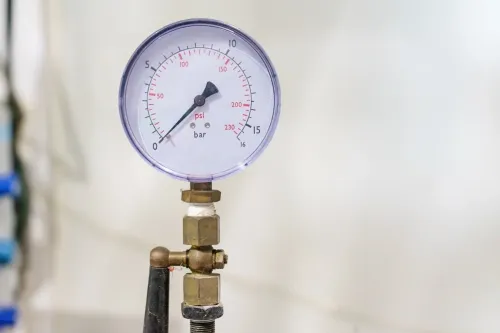
Confirm the pressure entering the machine before investigating individual components.
If supply pressure is already low, the cylinder and valve may simply be responding to insufficient available energy. Check the compressor supply, filters, regulators, and upstream distribution network.
Pressure should ideally be checked while the equipment is operating, because static pressure can appear normal even when flow demand causes a significant drop.
Look for Restricted Airflow
Cylinder speed depends heavily on airflow.
A valve can create a restriction if it is undersized for the required flow, contaminated internally, partially actuating, or fitted with connections that reduce the effective passage.
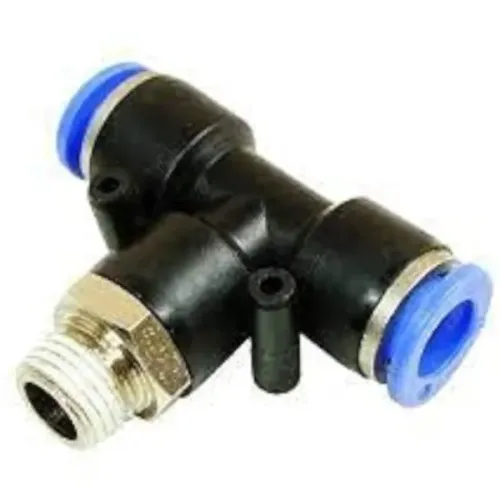
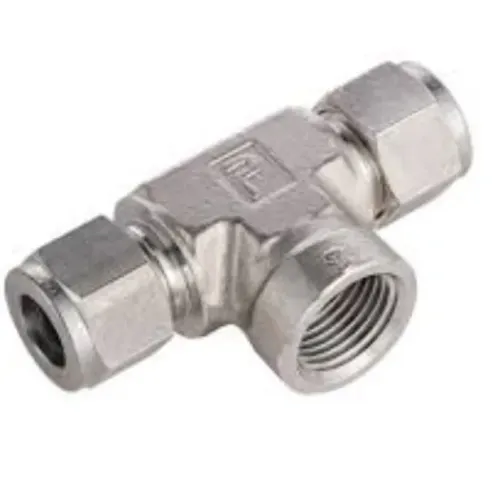
Tubing and fittings should also be examined. A kinked tube or undersized connector can produce symptoms similar to a valve problem.
Check the Flow Controls
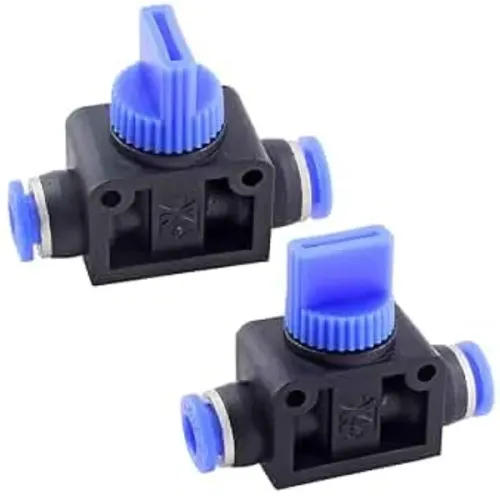
Many pneumatic cylinders have flow-control valves used to regulate extension or retraction speed.
If a flow controller has been adjusted accidentally or becomes restricted by contamination, movement may slow noticeably.
Compare the settings on both sides of the cylinder and observe whether the problem affects one direction or both.
Inspect for Air Leakage
Leaks waste compressed air and may reduce available pressure or flow.
Common leakage points include:
- Tube connections
- Push-in fittings
- Valve ports
- Cylinder seals
- Threaded joints
- Damaged tubing
- Valve manifolds
A persistent leak should be investigated rather than compensated for by simply increasing system pressure.
Consider the Valve's Condition
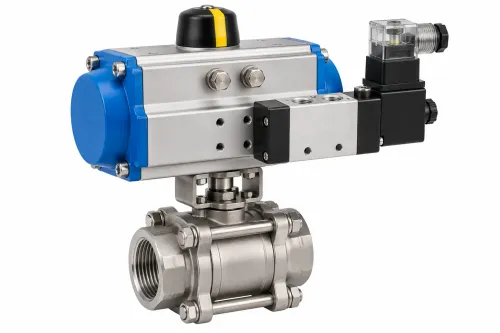
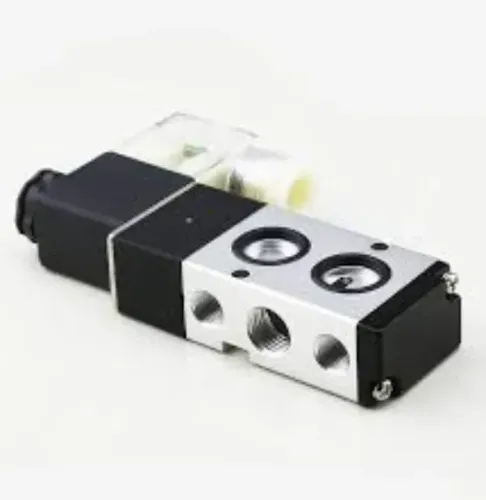
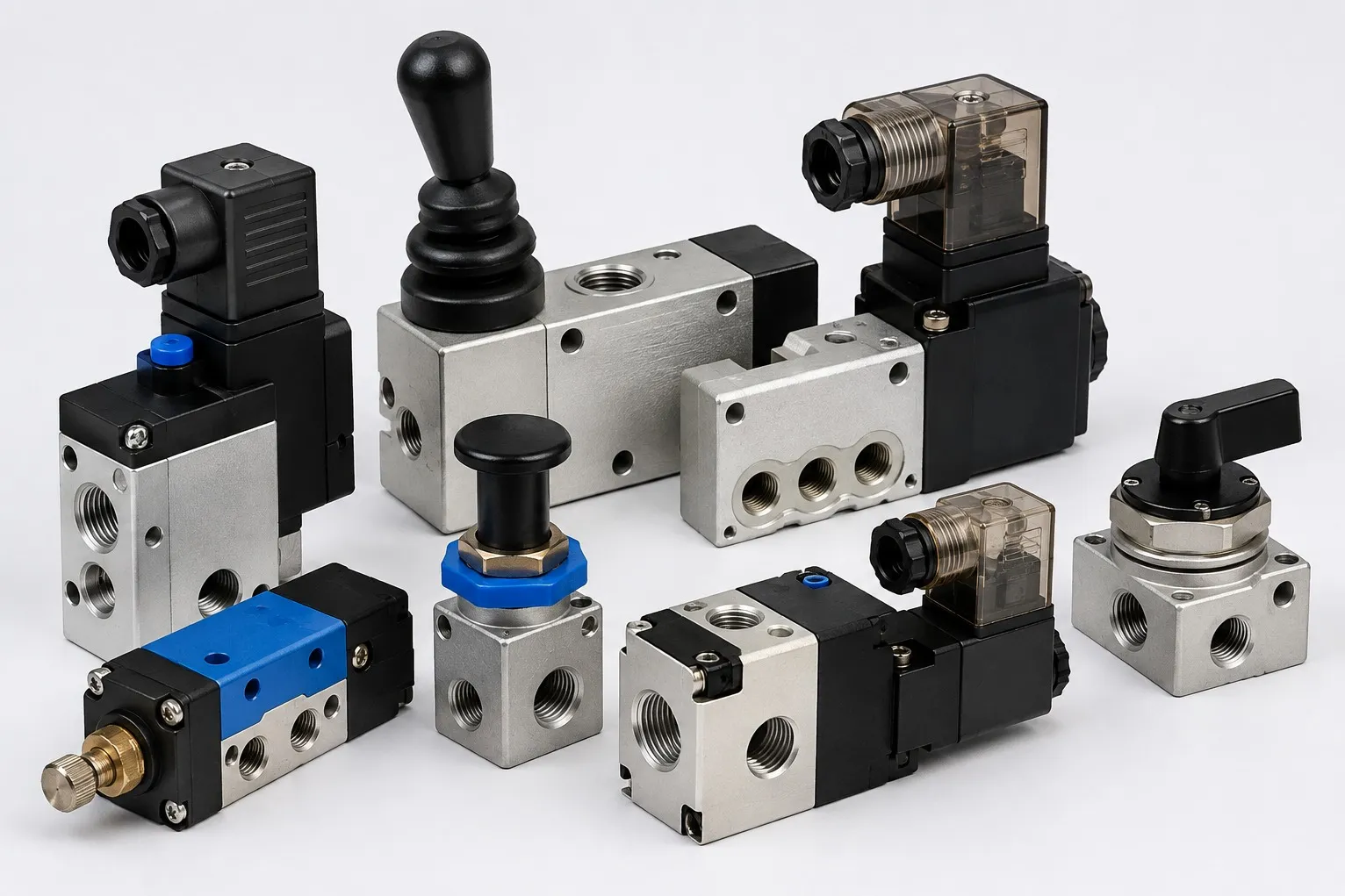
Repeated cycling eventually affects mechanical components. Contamination, damaged seals, coil problems in electrically actuated valves, or internal wear can interfere with switching.
If a solenoid-operated valve is involved, confirm that the electrical signal and coil voltage are correct before assuming the pneumatic section has failed.
Is the Valve Properly Sized?
A valve can operate correctly and still be unsuitable for the application.
Large cylinders or fast cycle requirements demand adequate airflow. A valve with insufficient flow capacity can become the limiting point in the circuit.
For factories and machine-building operations in Navi Mumbai, Maharashtra, production downtime can make troubleshooting speed important. A structured sequence—supply pressure, filtration, valve operation, flow control, tubing, leakage, and cylinder condition—helps isolate the fault more efficiently.
Super Hydro Pneumatic supports industrial pneumatic component requirements where maintenance teams need to identify suitable valve and associated component specifications.
Slow cylinder movement is ultimately a system symptom rather than proof of a single failed part. Diagnosing the entire airflow path before replacing components can save maintenance time and help restore more consistent machine performance.
Keywords