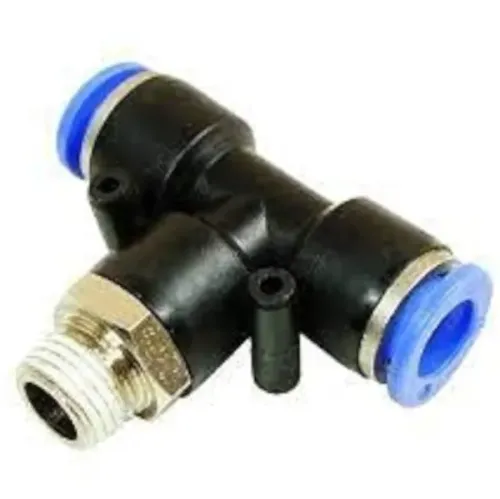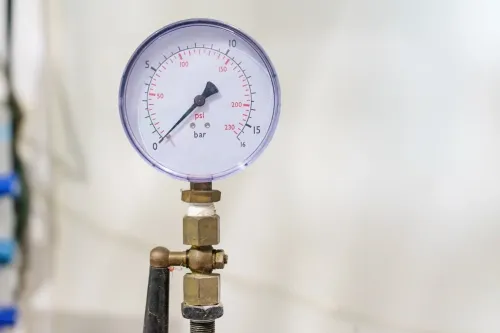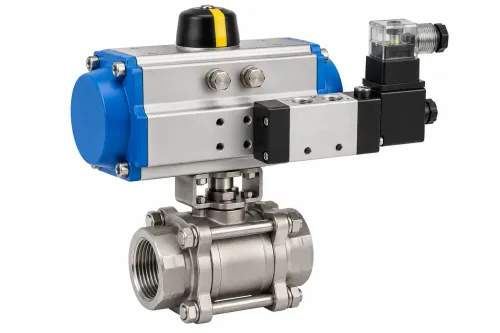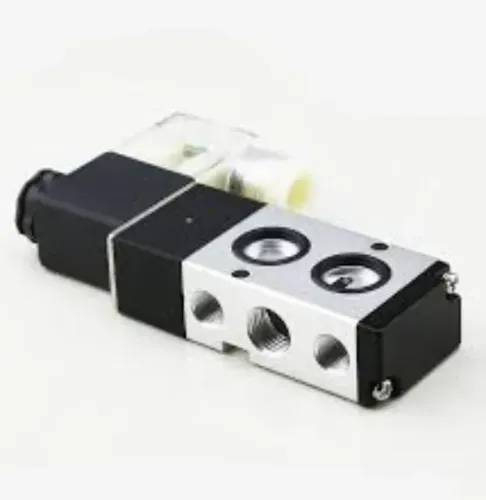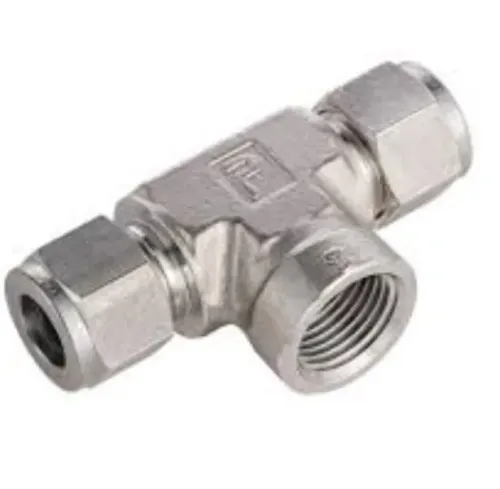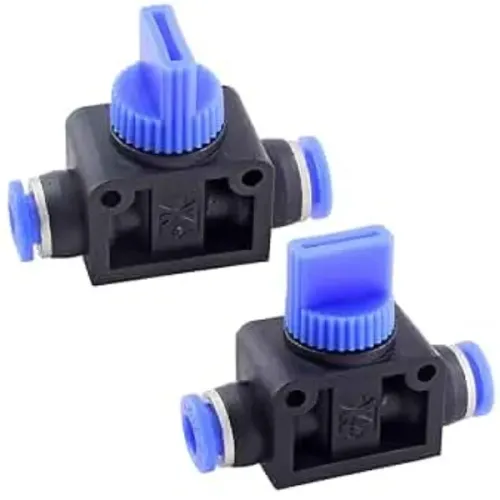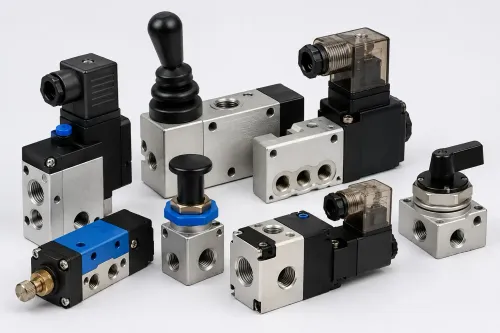
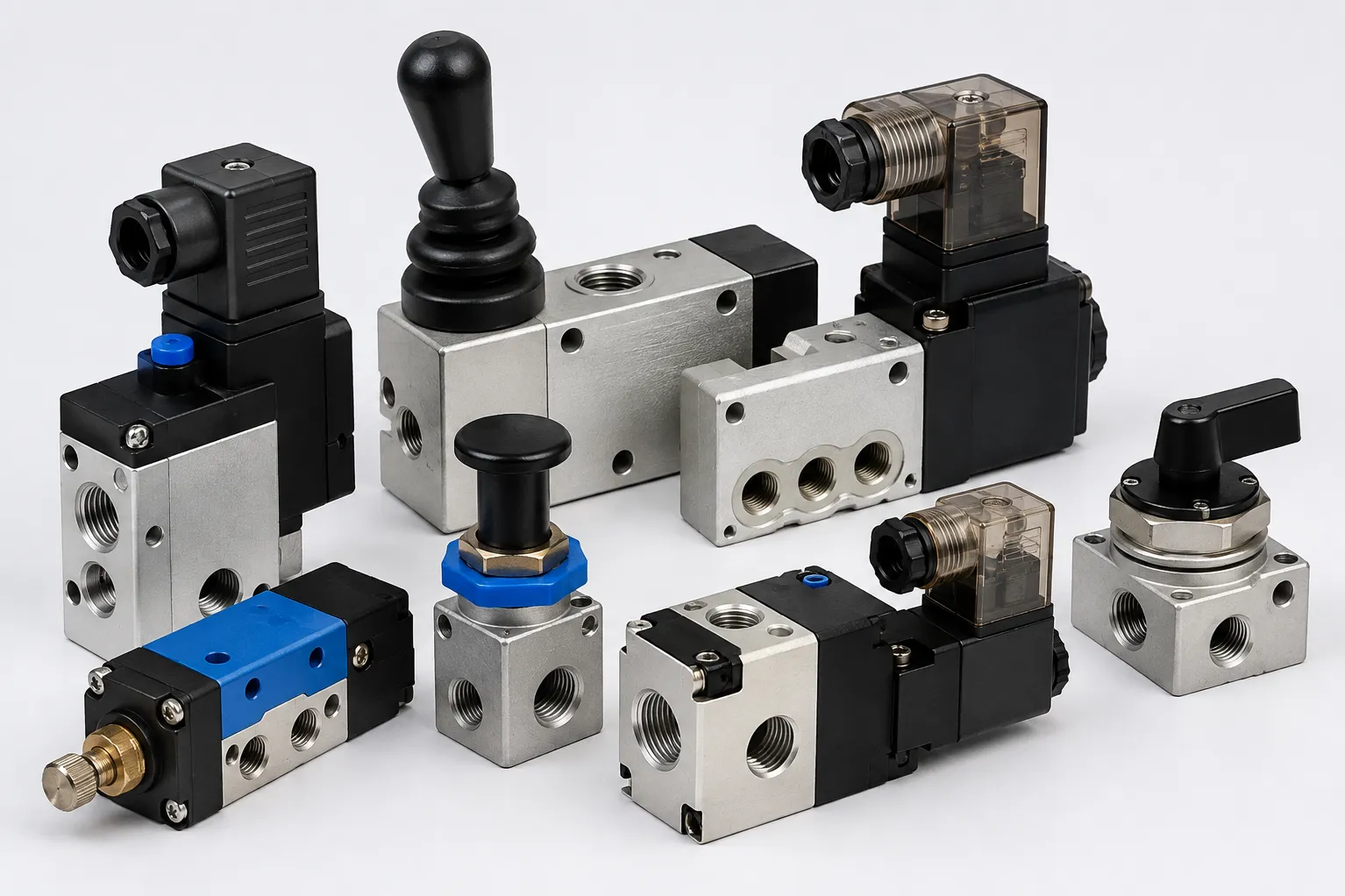
Pneumatic systems are built to deliver reliable performance for years, but like any industrial equipment, their components wear out over time. Pneumatic valves, fittings, hoses, and connectors are exposed to continuous pressure, vibration, dust, and repeated operation, making periodic inspection and replacement essential.
Ignoring early warning signs can result in air leaks, machine breakdowns, production delays, and increased energy costs. For manufacturers in Navi Mumbai, Maharashtra, identifying these issues before they lead to equipment failure is one of the most effective ways to improve operational efficiency and reduce maintenance expenses.
Why Preventive Replacement Is Better Than Emergency Repairs
Many industrial facilities replace pneumatic components only after a failure occurs. While this may appear cost-effective initially, unexpected breakdowns often lead to:
- Production stoppages
- Higher repair costs
- Damaged machinery
- Increased compressed air consumption
- Missed delivery schedules
- Reduced workplace safety
Replacing worn components during scheduled maintenance helps avoid these challenges while improving overall equipment reliability.
1. Persistent Air Leaks Around Fittings
One of the most common signs of failing pneumatic components is continuous air leakage.
Even a small leak can force compressors to work harder, increasing electricity consumption and reducing system efficiency.
Signs include:
- Hissing sounds
- Reduced operating pressure
- Longer compressor running times
- Higher energy bills
Replacing damaged fittings early prevents unnecessary operating costs.
2. Slow or Inconsistent Cylinder Movement
If pneumatic cylinders begin moving slower than normal or fail to complete their full stroke, worn valves or fittings may be restricting airflow.
Possible causes include:
- Internal valve wear
- Blocked air passages
- Damaged seals
- Pressure loss
Ignoring these symptoms can eventually lead to complete equipment failure.
3. Frequent Pressure Fluctuations
Stable pressure is essential for consistent machine performance.
If pressure gauges frequently show unexpected variations, the problem may be linked to:
- Worn pneumatic valves
- Damaged hose connections
- Leaking fittings
- Faulty pressure regulators
Identifying the root cause early helps maintain production quality.
4. Visible Damage to Hose Connections
Industrial hose assemblies operate under demanding conditions.
Inspect hose connections for:
- Cracks
- Corrosion
- Loose fittings
- Abrasion marks
- Oil contamination
- Bent connectors
Replacing damaged components before failure reduces safety risks.
5. Valves That Fail to Respond Quickly
Modern automation systems depend on rapid valve operation.
A valve that opens slowly, sticks, or responds inconsistently may indicate:
- Internal contamination
- Coil wear
- Mechanical damage
- Seal deterioration
Delayed valve operation can affect production speed and machine accuracy.
6. Increasing Maintenance Frequency
If the same pneumatic system requires repeated repairs, replacing ageing components is often more economical than continuing temporary fixes.
Repeated maintenance usually indicates that several components are approaching the end of their service life.
Rather than replacing individual parts repeatedly, evaluate the entire pneumatic circuit.
7. Rising Energy Consumption
Compressed air is among the most expensive utilities used in manufacturing.
Worn pneumatic components often cause:
- Air leakage
- Pressure drops
- Compressor overloading
- Longer operating cycles
These issues increase electricity consumption without improving production output.
Replacing inefficient components helps lower operating costs while improving overall system performance.
How Often Should Pneumatic Components Be Inspected?
Inspection frequency depends on operating conditions, but most industrial facilities benefit from scheduled preventive maintenance.
Routine inspections should include:
- Checking air leaks
- Inspecting fittings and tubing
- Testing valve operation
- Monitoring pressure readings
- Examining hose condition
- Cleaning air preparation units
- Verifying actuator performance
Keeping detailed maintenance records also helps identify recurring issues before they become major problems.
Benefits of Timely Component Replacement
Replacing worn pneumatic components before failure offers several long-term advantages.
These include:
- Reduced unplanned downtime
- Improved equipment reliability
- Better production efficiency
- Lower maintenance expenses
- Longer compressor life
- Enhanced workplace safety
- Reduced energy consumption
Preventive maintenance is generally less expensive than emergency repairs and production losses.
Choosing Quality Replacement Components
When replacing pneumatic valves, fittings, pressure gauges, or hoses, quality should always take priority over initial cost. Well-manufactured components typically provide better sealing performance, longer service life, and greater compatibility with industrial automation systems.
Many manufacturers in Navi Mumbai rely on experienced suppliers such as Super Hydro Pneumatic for replacement pneumatic components suitable for a variety of industrial applications. Access to technical guidance and compatible products helps maintenance teams complete repairs efficiently while supporting long-term equipment performance.
Pneumatic systems rarely fail without warning. By recognising the early signs of wear and replacing ageing components before they fail, businesses can minimise downtime, improve productivity, and extend the life of valuable industrial equipment. A proactive maintenance approach ultimately delivers better reliability, lower operating costs, and more efficient manufacturing operations.
Keywords