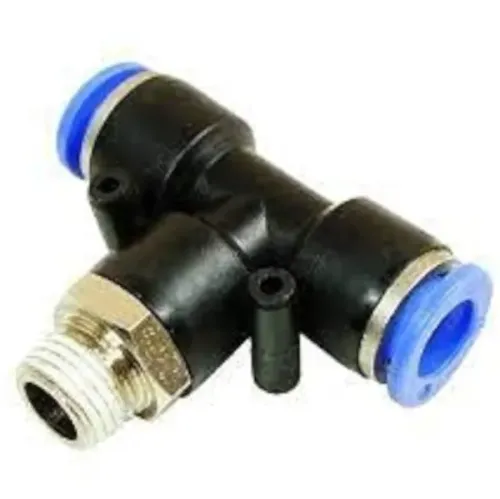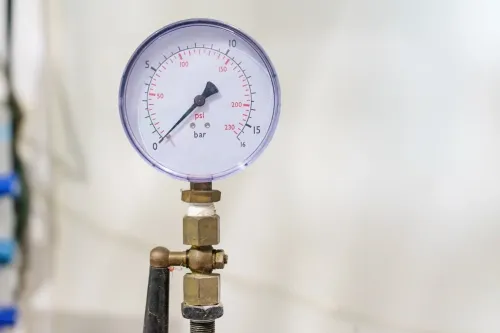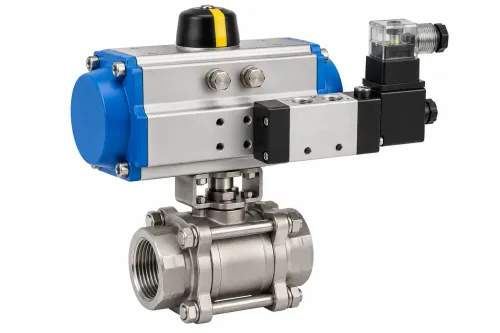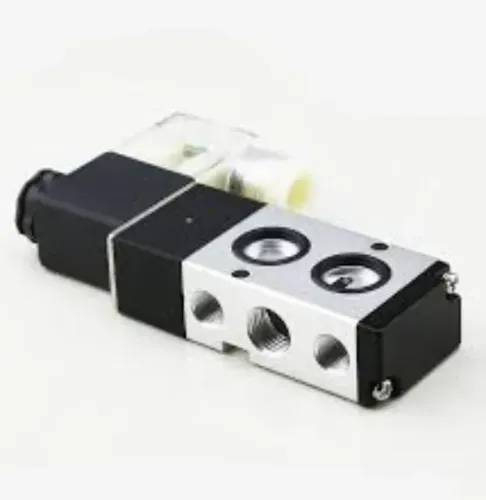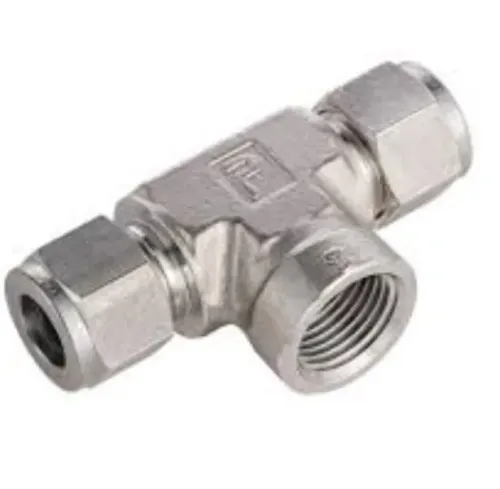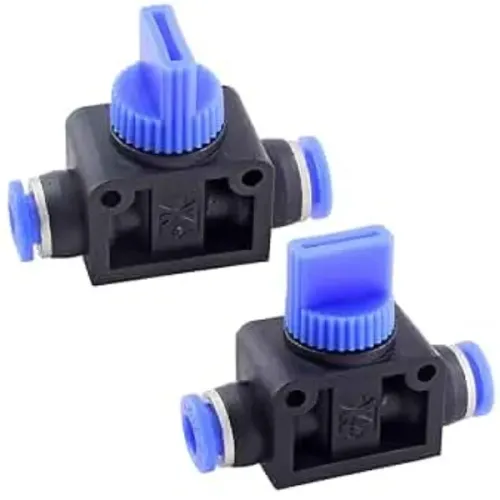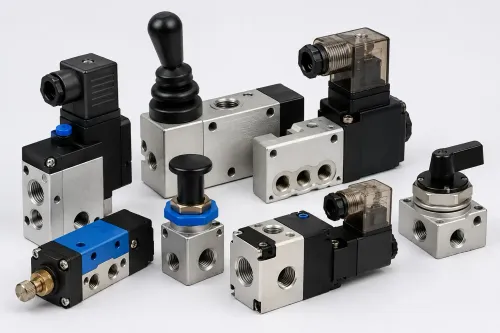
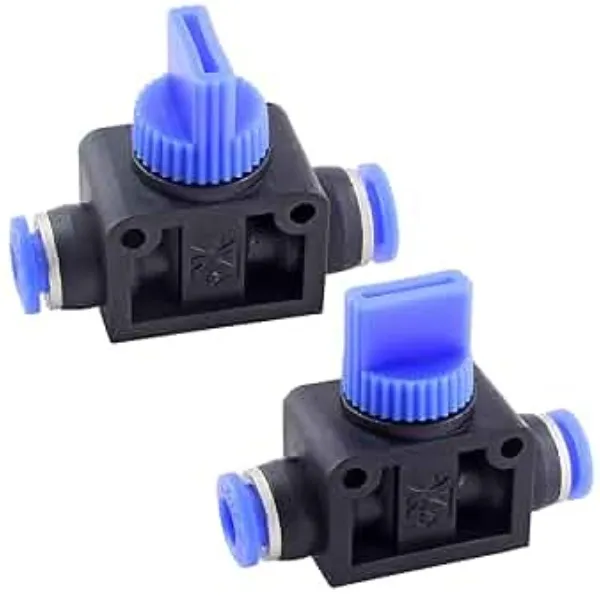
Industrial automation depends on components that deliver precision, speed, and long-term reliability. Among these components, Festo valves are widely recognised for their role in controlling compressed air within pneumatic systems. From automated assembly lines to packaging equipment and robotic applications, these valves help manufacturers improve productivity while maintaining consistent machine performance.
As manufacturing industries in Navi Mumbai, Maharashtra continue to adopt automation technologies, selecting the right Festo valve has become an important consideration for achieving efficient and dependable operations.
What Is a Festo Valve?
A Festo valve is a pneumatic control valve designed to regulate the direction, pressure, or flow of compressed air within an automation system. These valves are commonly integrated into machinery that requires precise and repeatable movement.
They work alongside components such as pneumatic cylinders, air preparation units, solenoid coils, sensors, and fittings to create an efficient compressed air system.
Because of their reliability and fast response time, Festo valves are used across industries where production consistency is essential.
Why Festo Valves Are Popular in Industrial Automation
Automation systems operate continuously, often under demanding production schedules. High-quality pneumatic valves help maintain efficiency while reducing maintenance requirements.
Some advantages of using Festo valves include:
- Fast switching performance
- Reliable airflow control
- Compact design for machine integration
- Long operational life
- Low maintenance requirements
- Energy-efficient operation
- High repeatability in automated processes
These features make them suitable for both simple pneumatic circuits and complex automated production lines.
Types of Festo Valves
Different applications require different valve configurations.
Directional Control Valves
Directional control valves regulate the movement of compressed air and determine actuator direction.
They are commonly available in:
- 3/2-way valves
- 5/2-way valves
- 5/3-way valves
These configurations are selected based on the motion required by the equipment.
Solenoid-Operated Valves
These valves use an electrical signal to control airflow automatically.
They are frequently used in programmable automation systems where fast and accurate control is required.
Manual Pneumatic Valves
Manual valves allow operators to control airflow without electrical power.
They are often installed for testing, maintenance, or emergency operation.
Flow Control Valves
Flow control valves regulate the volume of compressed air entering pneumatic actuators.
This allows operators to adjust cylinder speed according to process requirements.
Industries That Commonly Use Festo Valves
Festo valves are widely used across numerous industrial sectors.
Typical applications include:
- Packaging machinery
- Pharmaceutical manufacturing
- Food processing
- Automotive production
- Textile machinery
- Electronics manufacturing
- Printing equipment
- Material handling systems
- Robotics
- Plastic processing
- Engineering industries
Their flexibility makes them suitable for both small-scale automation and large industrial production facilities.
Factors to Consider Before Purchasing a Festo Valve
Choosing the correct valve involves evaluating several technical factors.
Operating Pressure
The valve should support the operating pressure of the pneumatic system without compromising performance.
Flow Rate
The required airflow depends on the size and speed of the pneumatic actuators.
Selecting an undersized valve may reduce machine efficiency.
Voltage Compatibility
Solenoid-operated valves are available in different voltage options, including:
- 24V DC
- 110V AC
- 230V AC
Ensure compatibility with the machine's electrical system.
Port Size
Valve port sizes should match the connected tubing and fittings to maintain smooth airflow.
Installation Environment
Consider operating conditions such as:
- Dust exposure
- Moisture
- Temperature variations
- Continuous production cycles
The valve should be suitable for the intended environment.
Common Mistakes When Selecting Pneumatic Valves
Many operational issues result from incorrect valve selection rather than product defects.
Avoid these common mistakes:
- Choosing the wrong valve configuration
- Ignoring airflow requirements
- Selecting incorrect voltage
- Using incompatible fittings
- Installing the valve incorrectly
- Skipping preventive maintenance
Proper planning helps maximise system efficiency and minimise downtime.
Maintenance Tips for Longer Valve Life
Routine maintenance ensures consistent valve performance.
Follow these recommendations:
- Inspect valves during scheduled maintenance.
- Keep compressed air clean using proper filtration.
- Check electrical connections regularly.
- Monitor pressure fluctuations.
- Replace worn seals when necessary.
- Clean valve ports if contamination occurs.
- Test valve response before restarting production after maintenance.
A well-maintained pneumatic system improves equipment reliability and reduces unexpected repairs.
Choosing the Right Industrial Supplier
Selecting genuine automation components is essential for maintaining system performance and ensuring long-term reliability. Working with an experienced supplier also provides access to technical support and suitable replacement parts when needed.
Many manufacturers in Navi Mumbai source pneumatic valves and automation products through suppliers such as Super Hydro Pneumatic, which offers industrial pneumatic components compatible with a wide range of automation systems. A knowledgeable supplier can help businesses identify the most suitable valve configuration based on machine requirements and operating conditions.
A Festo valve is a key component in modern pneumatic automation. By understanding valve types, evaluating system requirements, and following proper maintenance practices, manufacturers can build efficient compressed air systems that support reliable production, reduce maintenance costs, and improve overall operational performance.
Keywords