Industrial hose pipes are used every day to transport air, water, oil, chemicals, and other fluids across a wide range of manufacturing and processing environments. Although they may appear to be simple components, choosing the wrong hose pipe can lead to leaks, pressure loss, production delays, and unnecessary maintenance costs.
For industries in Navi Mumbai, Maharashtra, where manufacturing operations often run continuously, selecting the right hose pipe is an important part of building a reliable and efficient system. Understanding the different types, materials, and performance characteristics can help businesses make informed purchasing decisions.
What Is an Industrial Hose Pipe?
An industrial hose pipe is a flexible conduit designed to transfer liquids, gases, or compressed air between equipment and machinery. Unlike rigid pipelines, hose pipes offer flexibility, making them suitable for applications where movement, vibration, or frequent repositioning is required.
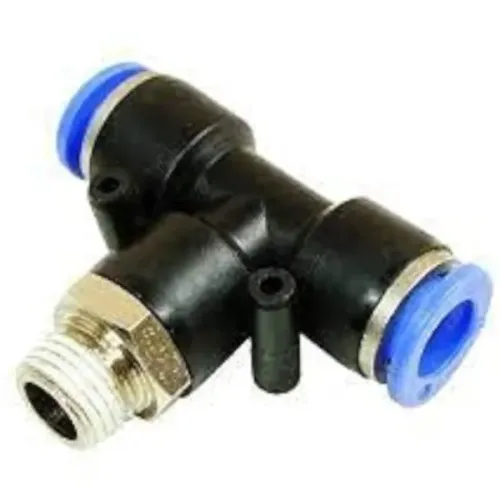
They are commonly connected to pumps, compressors, pneumatic systems, hydraulic equipment, and industrial machinery.
Why Choosing the Right Hose Pipe Matters
Using a hose that does not match the application can result in poor performance and frequent replacements. The right hose improves efficiency while helping maintain safe operating conditions.
Some key benefits of selecting the correct hose pipe include:
- Reliable fluid transfer
- Reduced leakage
- Better pressure handling
- Improved equipment safety
- Longer service life
- Lower maintenance costs
- Increased production efficiency
Proper hose selection also helps reduce energy losses caused by damaged or poorly matched components.
Common Types of Industrial Hose Pipes
Different industries require different hose types depending on the media being transferred.
Air Hose
Air hoses are widely used in pneumatic systems for carrying compressed air to tools, cylinders, and automated equipment.
These hoses are lightweight, flexible, and designed to handle varying pressure levels.
Water Hose
Water hoses are commonly used for cooling systems, cleaning operations, and industrial water transfer.
Oil Hose
Designed for transferring lubricants, diesel, petroleum products, and industrial oils, these hoses feature materials resistant to oil degradation.
Chemical Hose
Chemical hoses are manufactured using specialised materials capable of handling corrosive liquids safely.
Selecting the correct hose material is especially important when working with aggressive chemicals.
Food-Grade Hose
Food and beverage manufacturers use food-grade hoses that comply with hygiene and safety standards for transferring edible products.
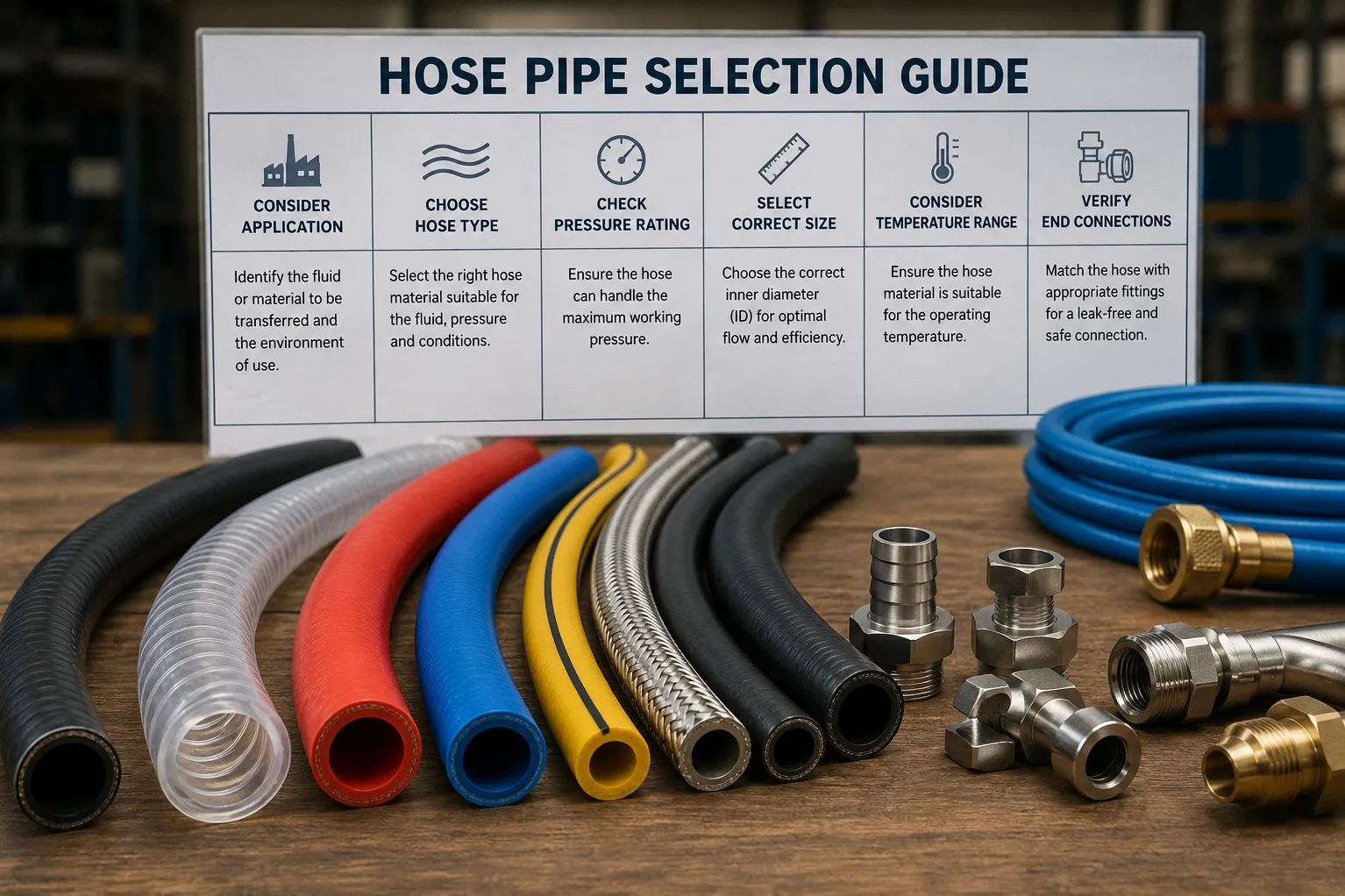
Factors to Consider Before Buying an Industrial Hose Pipe
Choosing the right hose involves evaluating several important specifications.
Operating Pressure
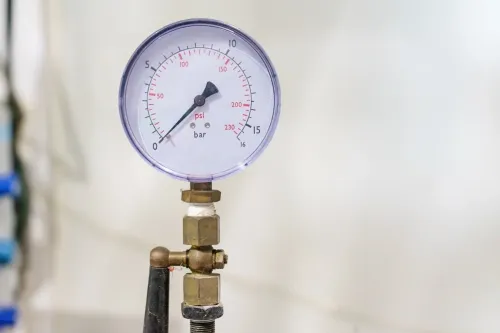
The hose should have a working pressure rating higher than the system's normal operating pressure.
Never select a hose based solely on its burst pressure.
Temperature Range
Industrial processes often involve extreme temperatures.
Ensure the hose material can withstand both the operating temperature and environmental conditions.
Hose Material
Common materials include:
- PVC
- Rubber
- Polyurethane
- Silicone
- Stainless steel braided hose
- Thermoplastic materials
Each material offers different levels of flexibility, durability, and chemical resistance.
Inside Diameter
The internal diameter directly affects flow capacity.
An undersized hose can restrict flow, while an oversized hose may reduce system efficiency.
Flexibility
Applications involving moving machinery require hoses that bend easily without kinking or collapsing.
Industries That Use Industrial Hose Pipes
Industrial hose pipes are used in numerous sectors, including:
- Manufacturing
- Automotive
- Chemical processing
- Pharmaceutical production
- Food and beverage
- Construction
- Marine applications
- Textile industries
- Agriculture
- Engineering workshops
- Water treatment facilities
Each industry has unique operating conditions, making application-specific hose selection essential.
Common Mistakes to Avoid
Many hose failures result from incorrect selection rather than product defects.
Avoid these common mistakes:
- Selecting the wrong pressure rating
- Ignoring temperature requirements
- Using incompatible materials
- Choosing incorrect hose diameter
- Excessive bending during installation
- Dragging hoses across rough surfaces
- Delaying replacement of worn hoses
Preventing these mistakes can significantly improve hose life and reduce maintenance costs.
Tips for Extending Hose Pipe Life
Proper care helps maximise the performance of industrial hose pipes.
Follow these best practices:
- Inspect hoses regularly for wear and cracks.
- Store hoses away from direct sunlight when not in use.
- Avoid twisting the hose during operation.
- Keep hoses clean after use.
- Replace damaged fittings immediately.
- Maintain recommended operating pressure.
- Use protective sleeves in abrasive environments.
Routine inspections help identify minor issues before they become major failures.
Working with a Reliable Industrial Supplier in Navi Mumbai
The quality of an industrial hose pipe directly influences system reliability and workplace safety. Purchasing hoses that meet recognised quality standards ensures better performance and longer service life.
Many manufacturers in Navi Mumbai source industrial hose pipes and pneumatic components from experienced suppliers such as Super Hydro Pneumatic, which provides products suitable for a variety of industrial applications. An established supplier can also assist in selecting hoses based on pressure requirements, operating conditions, and media compatibility.
Industrial hose pipes may be flexible components, but they perform demanding tasks every day. By understanding hose types, evaluating operating conditions, and choosing the right material and specifications, businesses can build systems that operate more efficiently while reducing downtime and maintenance expenses.
Keywords