Automated machines frequently need compressed air to start, stop, change direction, or move an actuator at precisely the right moment. A solenoid valve provides an effective way to perform this control electrically, making it a widely used component in pneumatic automation.
Understanding how the valve works can help maintenance teams and machine operators identify problems more accurately and select suitable replacements.
What Is a Solenoid Valve?
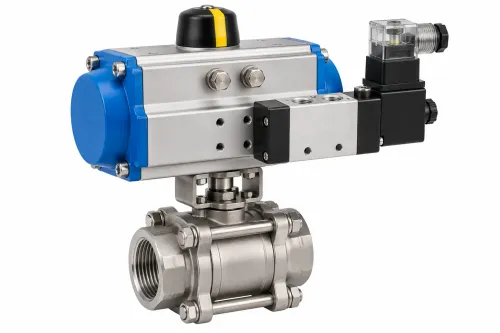
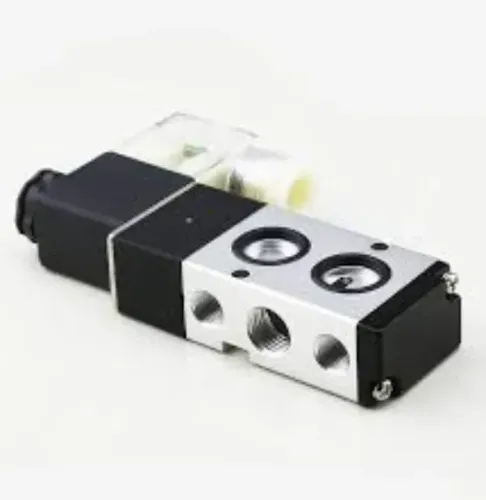
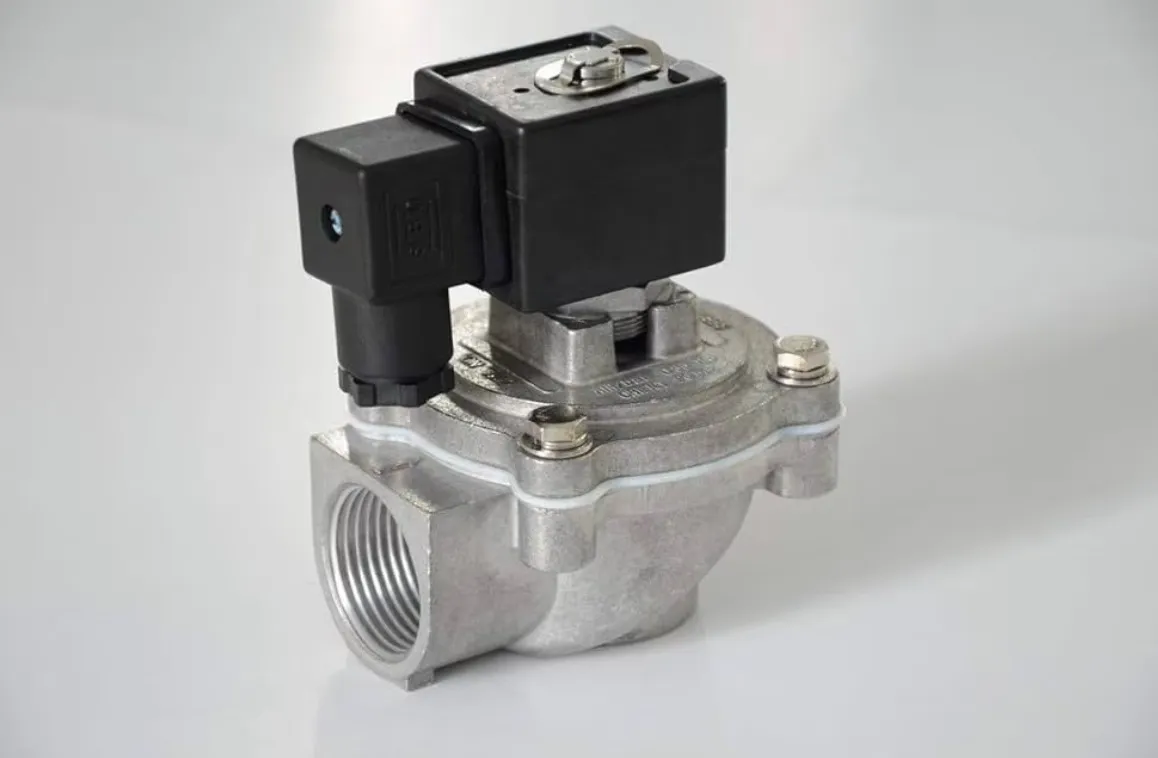
A solenoid valve is an electromechanically operated valve. An electrical signal energizes a coil, producing a magnetic field that moves an internal plunger or mechanism. This action changes the valve's flow path.
In practical terms, the electrical control system tells the valve when air or another compatible medium should flow.
This makes solenoid-operated valves useful in applications requiring repeated, automatic switching.
Understanding Valve Configurations
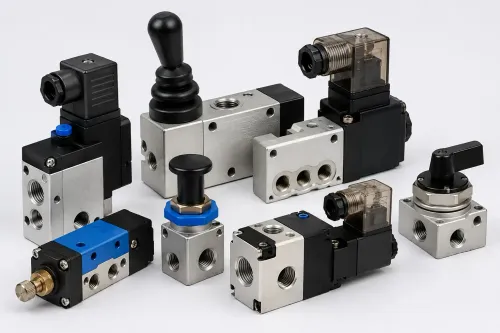
Solenoid valves are commonly identified by their number of ports and operating positions.
A 2/2 valve has two ports and two positions and is generally used for basic ON and OFF control.
A 3/2 configuration is frequently associated with single-acting pneumatic applications.
A 5/2 valve is commonly used where a double-acting cylinder needs airflow to alternate between two sides.
There are other configurations as well, so the correct choice depends on the circuit.
Normally Open and Normally Closed
Another important distinction is the valve's normal state when electrical power is absent.
A normally closed valve blocks flow until energized, while a normally open valve permits flow until energized.
This difference can significantly affect machine behavior during power loss. Designers therefore need to consider the desired fail-state rather than selecting a configuration simply because it physically fits.
Why Voltage Matters
The coil voltage must match the electrical control system. Common industrial systems may operate with DC or AC control voltages depending on the machine design.
Using an incompatible coil can lead to improper operation or component damage.
Before replacing a valve, technicians should check:
- Coil voltage
- Valve configuration
- Port size
- Working pressure
- Flow capacity
- Medium compatibility
- Electrical connector type
Flow Capacity Is Equally Important
A valve may have the correct port size yet still provide inadequate flow for a particular actuator.
Insufficient flow can make cylinders respond slowly and may reduce machine cycle performance. Flow requirements should therefore be evaluated together with pressure and port specifications.
Across Navi Mumbai's manufacturing and engineering areas, pneumatic automation is used in packaging, material handling, assembly, processing, and machine-building applications. Maharashtra's growing automation ecosystem makes reliable control components increasingly relevant to maintenance and production teams.
A solenoid valve should ultimately be treated as both an electrical and pneumatic component. Matching its electrical characteristics, airflow capacity, operating configuration, and application conditions helps maintain predictable automated operation.
Keywords