Modern industrial automation depends on precision, speed, and reliability. One component that quietly performs a critical role in countless machines is the solenoid valve. From controlling compressed air in pneumatic systems to managing water, oil, gas, and other fluids, solenoid valves have become an essential part of automated manufacturing.
Industries across Navi Mumbai, Maharashtra, including pharmaceuticals, food processing, automotive, packaging, engineering, and chemical manufacturing, rely on these valves to automate repetitive operations while maintaining accuracy and reducing manual intervention.
What Is a Solenoid Valve?
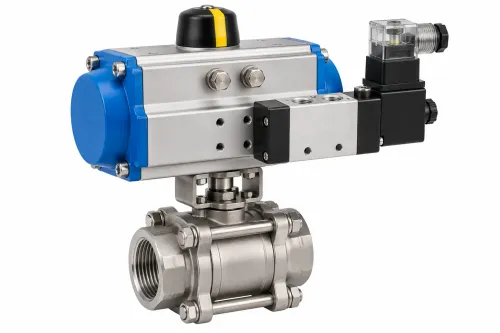
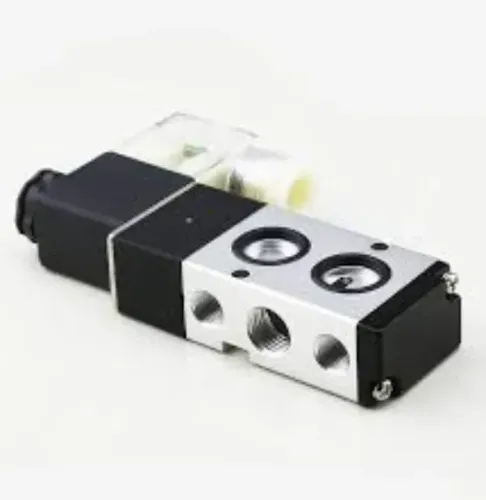
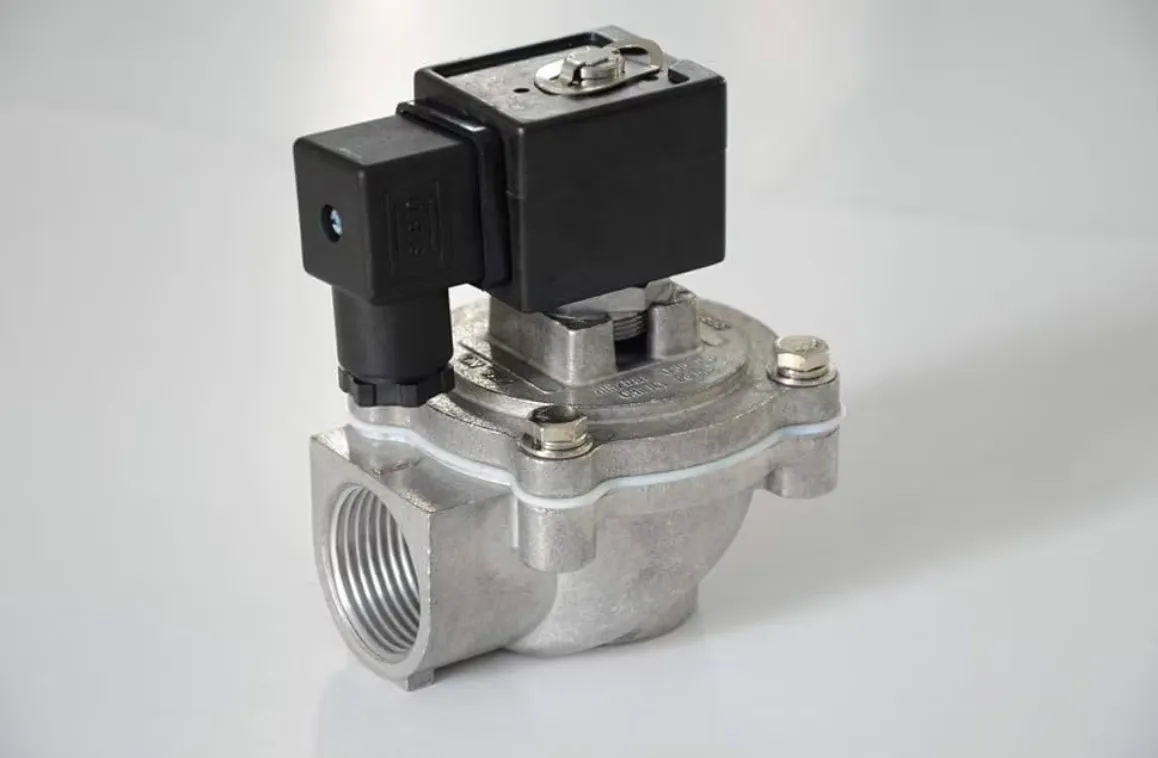
A solenoid valve is an electrically operated valve that controls the flow of liquids or gases. It consists of two primary components—a solenoid coil and a valve body.
When electrical power is supplied to the coil, it generates a magnetic field that moves a plunger inside the valve. This action either opens or closes the flow path depending on the valve's design.
Because of their fast response and dependable operation, solenoid valves are widely used in automated production systems where timing and precision are essential.
Why Solenoid Valves Are Important in Modern Industries
Automation has significantly transformed industrial operations, and solenoid valves contribute by enabling machines to function with minimal human involvement.
Some of the major advantages include:
- Rapid switching between open and closed positions
- Consistent process control
- Reduced manual operation
- Improved production efficiency
- Better safety in automated systems
- Lower maintenance requirements
- High reliability during continuous operation
These benefits make them suitable for industries operating multiple production shifts every day.
Types of Solenoid Valves
Different industrial applications require different valve configurations. Understanding these types helps in selecting the most suitable option.
Direct-Acting Solenoid Valve
This type opens and closes directly using the magnetic force generated by the coil. It is commonly used in systems with lower flow rates or where immediate operation is required.
Pilot-Operated Solenoid Valve
Pilot-operated valves use system pressure to assist valve movement. They are ideal for handling higher flow capacities while consuming less electrical power.
Two-Way Solenoid Valve
These valves have one inlet and one outlet and are designed to either allow or stop fluid flow.
Three-Way Solenoid Valve
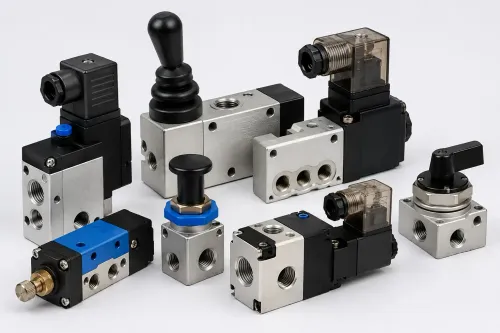
Frequently used in pneumatic automation, these valves control airflow between different ports and are commonly installed in air cylinder applications.
Normally Closed and Normally Open Valves
- Normally Closed (NC): Remains closed until power is applied.
- Normally Open (NO): Remains open until the electrical signal closes it.
The choice depends entirely on process safety requirements and machine design.
Applications Across Different Industries
Solenoid valves are used in a wide variety of industrial systems.
Common applications include:
- Pneumatic automation
- Hydraulic equipment
- Packaging machinery
- Conveyor systems
- Water treatment plants
- Pharmaceutical manufacturing
- Food and beverage processing
- Chemical plants
- Textile machinery
- HVAC systems
- Printing machines
- Medical equipment
Their versatility allows manufacturers to automate complex operations with precision.
Factors to Consider Before Buying a Solenoid Valve
Selecting the right valve involves more than simply matching the pipe size.
Operating Pressure
Always ensure the valve is compatible with the pressure range of the system. Exceeding pressure limits can reduce performance and shorten service life.
Fluid Compatibility
The valve material should suit the medium being controlled, whether it is compressed air, water, steam, oil, or chemicals.
Voltage Requirements
Industrial solenoid valves are available in different voltage options, including:
- 24V DC
- 12V DC
- 110V AC
- 230V AC
Choosing the correct voltage ensures safe and reliable operation.
Temperature Range
Industrial environments may involve high temperatures or continuous operation. Verify that the valve is rated for the intended operating conditions.
Response Time
Applications involving automated production often require valves that switch quickly and consistently.
Common Problems Caused by Incorrect Valve Selection
Choosing an unsuitable solenoid valve can result in several operational issues.
Some common problems include:
- Frequent valve failure
- Leakage
- Slow response
- Coil overheating
- High energy consumption
- Unplanned production downtime
- Reduced machine efficiency
Proper selection significantly reduces these risks and improves system reliability.
Maintenance Tips for Longer Service Life
Routine maintenance helps extend the life of a solenoid valve and minimizes unexpected failures.
Recommended practices include:
- Clean filters regularly.
- Inspect electrical connections.
- Check for dirt or debris inside the valve.
- Monitor operating pressure.
- Replace worn seals when necessary.
- Test valve operation during preventive maintenance.
- Avoid voltage fluctuations.
A preventive maintenance schedule is often far more cost-effective than emergency repairs.
Why Product Quality Makes a Difference
Industrial automation systems demand components that perform consistently under continuous operation. A high-quality solenoid valve provides stable performance, minimizes maintenance, and supports long-term productivity.
Manufacturers in Navi Mumbai often work with experienced industrial suppliers such as Super Hydro Pneumatic, which offers a range of pneumatic and fluid control components suited for diverse industrial applications. Partnering with a knowledgeable supplier helps businesses select valves that match their equipment specifications and operational requirements.
As automation continues to evolve, solenoid valves remain one of the most dependable components in industrial control systems. Choosing the right valve based on application, pressure, operating conditions, and material compatibility can improve efficiency, reduce downtime, and contribute to smoother, more reliable manufacturing operations.
Keywords