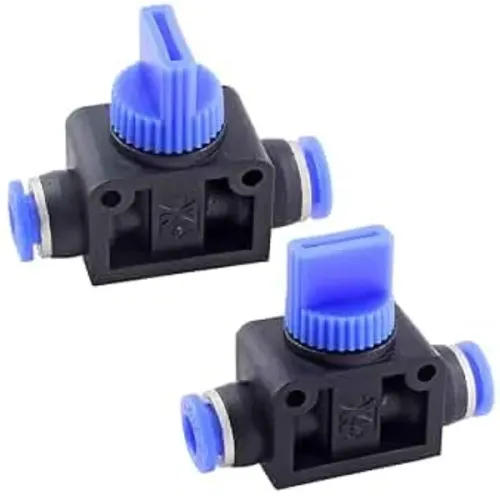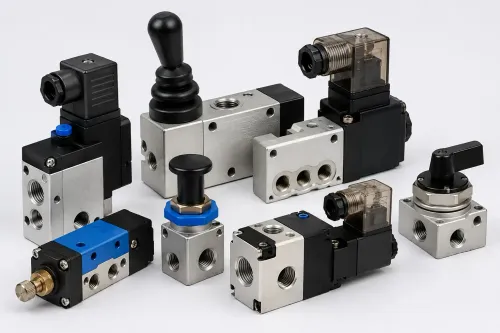
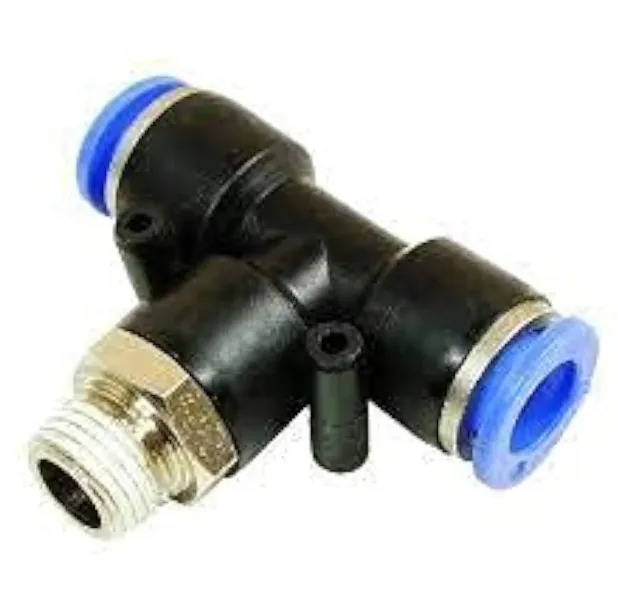
Pneumatic systems depend on something that can appear surprisingly simple: the connection between the tube and the equipment. A poorly selected fitting can cause air leakage, pressure loss, repeated maintenance, and unreliable machine operation. This is why choosing the right pneumatic fittings is an important part of designing or maintaining compressed-air systems.
For manufacturing units, workshops, packaging facilities, engineering companies, and automation businesses in Navi Mumbai, Maharashtra, fitting selection should be based on operating conditions rather than appearance or price alone.
What Do Pneumatic Fittings Do?
Pneumatic fittings connect tubing, valves, cylinders, air preparation units, and other components within a compressed-air circuit. Their primary purpose is to maintain a secure connection while allowing compressed air to move efficiently through the system.
Common configurations include:
- Straight connectors
- Elbow fittings
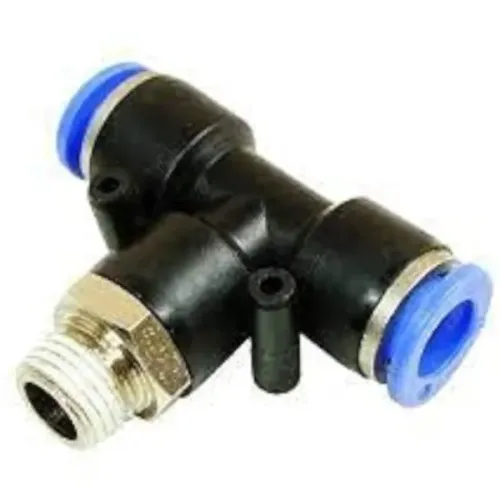
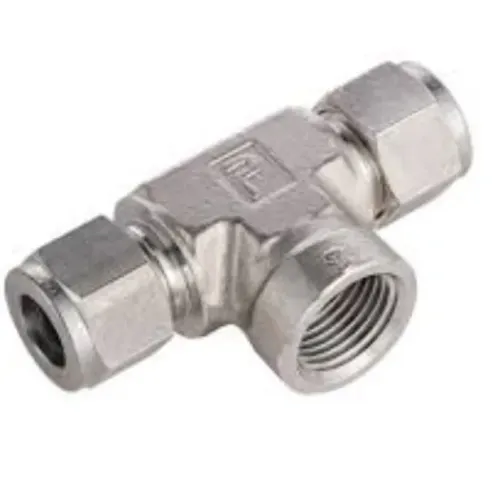
- Tee fittings
- Reducers
- Bulkhead connectors
- Push-in fittings
- Threaded adapters
- Flow-control fittings
Each configuration serves a different piping or equipment-layout requirement.
Start With Tube Size and Thread Type
One of the most common selection mistakes is matching a fitting only by its visible dimensions. Both the tubing outside diameter and the equipment's thread specification need to be checked.
Industrial equipment may use different thread standards, so confirming specifications before purchasing helps prevent incompatible connections, damaged threads, and unnecessary adapters.
Check the Working Pressure
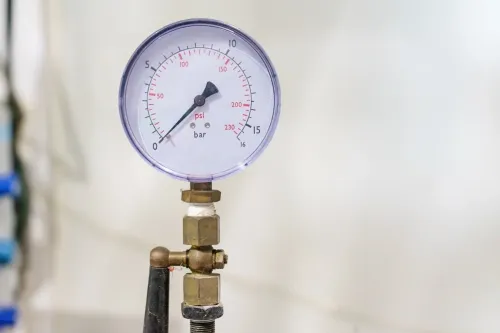
Every pneumatic fitting is designed for a defined operating pressure range. The fitting should comfortably support the normal working pressure of the application.
Operating close to or beyond the rated limit can increase the possibility of leakage or premature failure. Pressure fluctuations should also be considered, particularly in automated equipment where valves and cylinders cycle frequently.
Consider the Operating Environment
Navi Mumbai has industrial activity across areas such as TTC MIDC, Turbhe, Rabale, Mahape, Pawane, and surrounding manufacturing zones. Equipment in these environments can be exposed to heat, moisture, oil, dust, vibration, or chemicals.
Material selection therefore matters.
Nickel-plated brass, engineering polymers, stainless steel, and other materials may be selected according to the surrounding environment and media compatibility.
Avoid Undersizing the Flow Path
A fitting with an unnecessarily small internal passage can restrict airflow. This may affect cylinder speed and overall pneumatic performance even when compressor pressure appears adequate.
The entire air path should be considered, including:
- Tubing diameter
- Fitting bore
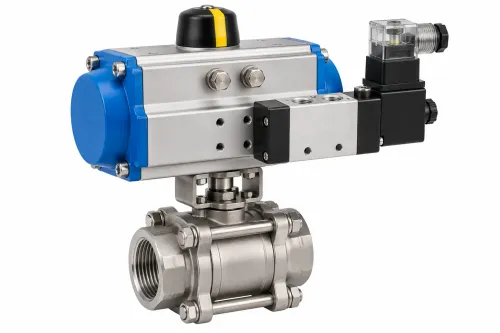
- Valve flow capacity
- Cylinder requirements
- Required operating speed
This system-level approach is more useful than selecting individual parts independently.
Pay Attention to Maintenance Access
Machine layouts often have limited installation space. Elbows, swivel fittings, and compact connectors can make routing easier while keeping connections accessible for future maintenance.
Frequent disconnection requirements should also influence fitting choice.
The right pneumatic fitting is ultimately one that matches the tubing, thread, pressure, flow, environment, and installation conditions of the equipment. Careful specification at the beginning can support better air efficiency and make industrial pneumatic systems easier to maintain over their working life.
Keywords