Industrial automation systems perform at their best when every component works together efficiently. While selecting quality valves, fittings, gauges, and hoses is important, choosing the right supplier is equally critical. A dependable supplier does more than deliver products—it provides technical guidance, consistent inventory, and dependable after-sales support that helps industries avoid costly downtime.
For manufacturers in Navi Mumbai, Maharashtra, where production schedules are often time-sensitive, partnering with an experienced pneumatic components supplier can improve operational efficiency and simplify maintenance planning.
Why the Choice of Supplier Matters
Industrial facilities rely on hundreds of pneumatic components every day. Delays in sourcing replacement parts or receiving incorrect products can interrupt production and increase operating costs.
A reliable supplier helps businesses by offering:
- Consistent product availability
- Technical product knowledge
- Genuine industrial components
- Faster order fulfilment
- Support for product selection
- Reduced procurement challenges
- Long-term business reliability
These advantages become even more valuable for companies operating multiple production lines or handling continuous manufacturing processes.
Product Range Is an Important Consideration
Working with a supplier that offers a comprehensive product portfolio simplifies purchasing and inventory management.
A dependable pneumatic supplier should provide products such as:
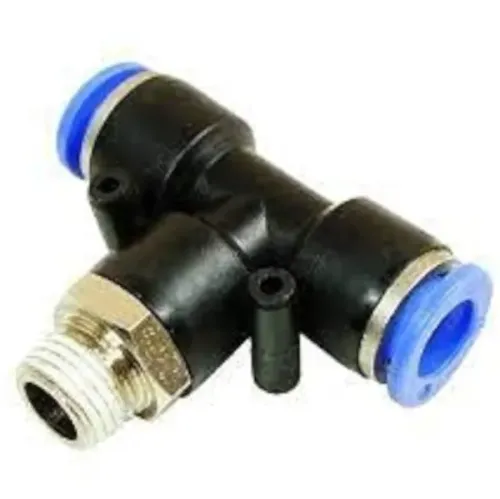
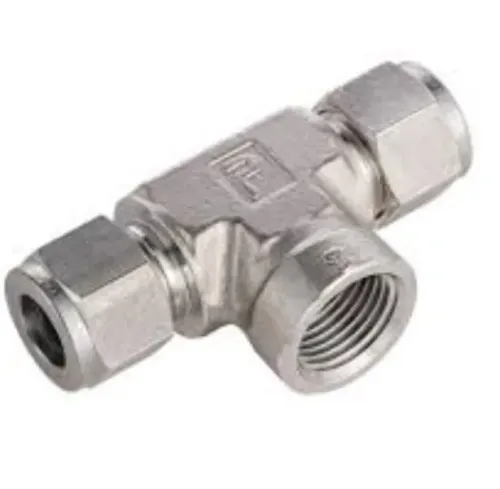
- Pneumatic fittings
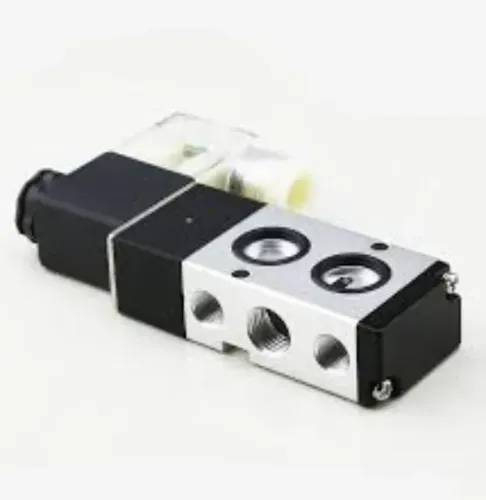
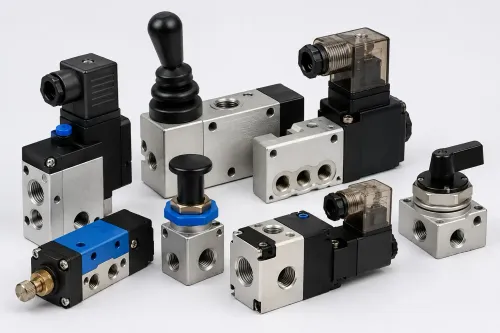
- Solenoid valves
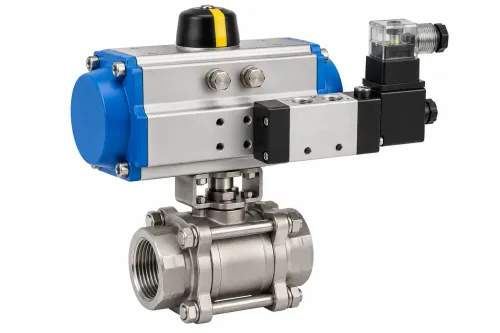
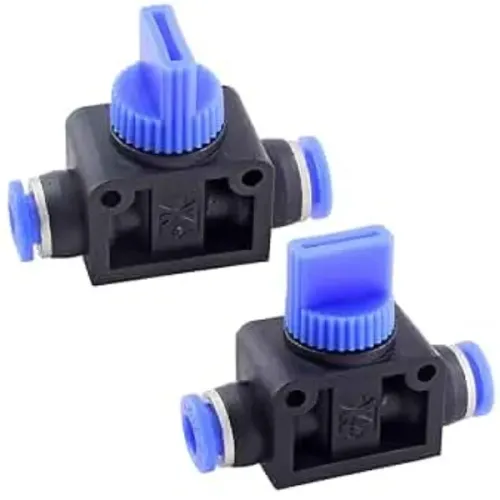
- Pneumatic valves
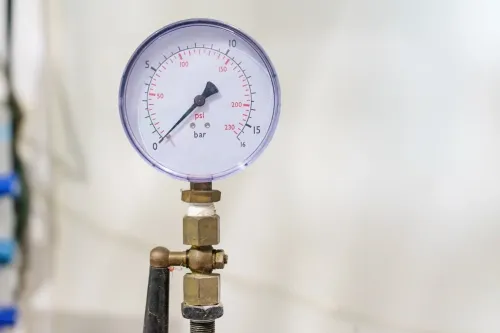
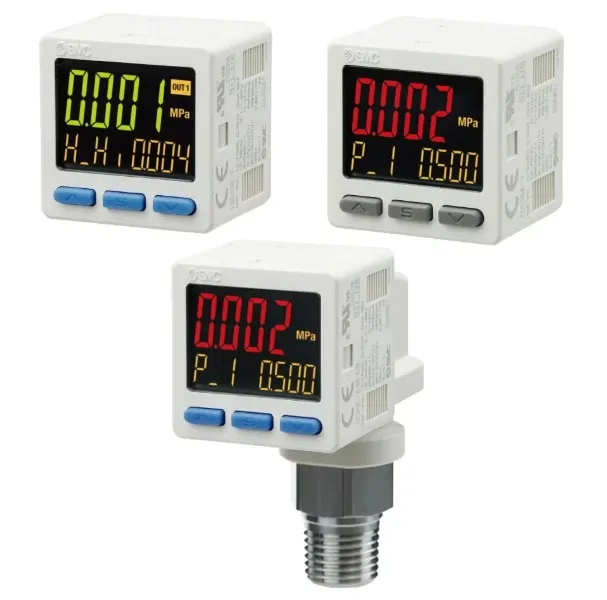
- Pressure gauges
- Hydraulic hoses
- Industrial hose pipes
- Air preparation units
- Pneumatic cylinders
- Quick-release couplings
- Tubing and accessories
Having access to multiple product categories from one supplier reduces procurement time and ensures better compatibility across the system.
Look for Technical Expertise, Not Just Product Availability
Industrial automation systems vary from one facility to another. Choosing the wrong component can affect machine performance, increase compressed air consumption, or shorten equipment life.
An experienced supplier should be able to assist with:
- Product selection
- Pressure rating recommendations
- Thread compatibility
- Material selection
- Flow capacity guidance
- Installation recommendations
- Replacement part identification
Technical support helps industries minimise errors during both new installations and equipment upgrades.
Quality Standards Should Never Be Overlooked
Industrial components operate under demanding conditions, making product quality an essential factor.
Before choosing a supplier, verify whether the products meet recognised industrial standards for:
- Pressure performance
- Material quality
- Dimensional accuracy
- Durability
- Corrosion resistance
- Manufacturing consistency
High-quality components often reduce maintenance costs over the long term.
Inventory Availability Makes a Difference
Unexpected equipment failures require quick replacements.
Suppliers maintaining sufficient stock can help manufacturers avoid extended downtime caused by delayed deliveries.
This is particularly valuable for industries operating:
- Automated production lines
- Continuous manufacturing plants
- Packaging facilities
- Pharmaceutical units
- Food processing plants
Reliable inventory management supports uninterrupted production.
Consider Industry Experience
Every industry has unique operating requirements.
An experienced pneumatic supplier understands the challenges faced by different sectors, including:
- Automotive manufacturing
- Chemical processing
- Pharmaceuticals
- Food and beverage
- Textile production
- Plastic moulding
- Material handling
- Engineering workshops
Industry-specific knowledge helps suppliers recommend suitable products for specialised applications.
Questions to Ask Before Finalising a Supplier
Businesses evaluating a pneumatic supplier should consider asking:
- Do you stock a complete range of pneumatic products?
- Can you assist with technical product selection?
- Are replacement parts readily available?
- Do your products meet industrial quality standards?
- Can you support bulk industrial requirements?
- Do you supply products for automation systems?
- How quickly can urgent requirements be fulfilled?
The answers provide valuable insight into the supplier's capabilities.
Signs of a Reliable Pneumatic Components Supplier
Several characteristics indicate that a supplier is capable of supporting industrial operations over the long term.
Look for a company that offers:
- Experienced technical staff
- Comprehensive product portfolio
- Consistent stock availability
- Transparent product specifications
- Strong customer support
- Timely deliveries
- Long-term business relationships
These qualities contribute to a smoother procurement process and more reliable production planning.
Supporting Industrial Growth in Navi Mumbai
Manufacturing activity in Navi Mumbai continues to grow across sectors such as engineering, pharmaceuticals, packaging, logistics, and automation. As facilities expand, the demand for dependable pneumatic components and technical expertise also increases.
Companies such as Super Hydro Pneumatic support this industrial ecosystem by supplying pneumatic fittings, valves, pressure gauges, hose solutions, and related automation products for diverse manufacturing applications. Working with an experienced provider enables businesses to source compatible components while improving equipment reliability and maintenance efficiency.
Selecting a pneumatic components supplier is more than a purchasing decision—it is an investment in long-term operational success. By prioritising product quality, technical support, inventory availability, and industry expertise, manufacturers can reduce downtime, improve productivity, and build automation systems that perform consistently for years to come.
Keywords