Pneumatic fittings play a vital role in ensuring the efficiency, safety, and reliability of compressed air systems. Whether they are used in manufacturing plants, packaging units, automotive workshops, or food processing facilities, the right fittings help maintain consistent airflow while preventing leaks and unnecessary downtime.
For businesses operating in industrial hubs such as Navi Mumbai, selecting suitable pneumatic fittings is essential for maintaining production efficiency. Industries that depend on automation often require fittings capable of withstanding continuous operation, vibration, and varying pressure conditions without compromising performance.
Understanding Pneumatic Fittings
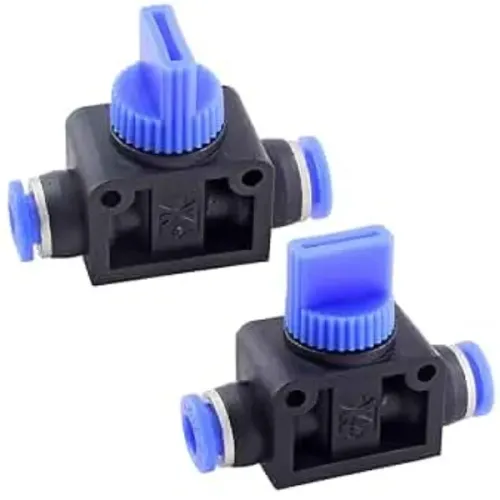
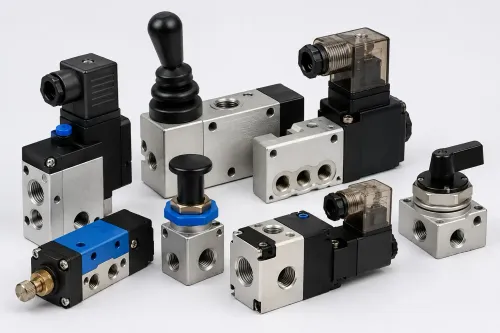
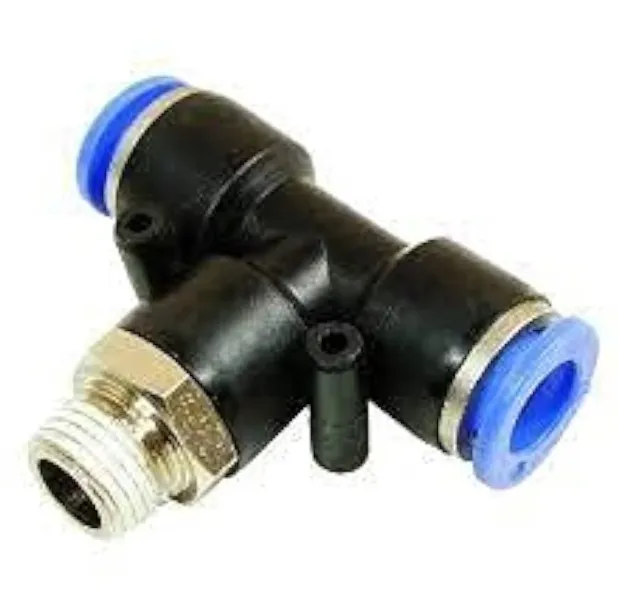
Pneumatic fittings are connectors that join tubes, hoses, pipes, valves, cylinders, and other pneumatic components within a compressed air system. Their primary function is to create a secure, leak-free connection that allows air to flow efficiently throughout the system.
These fittings are available in various designs to suit different applications, operating pressures, and installation requirements.
Some of the most commonly used types include:
- Push-to-connect fittings
- Elbow fittings
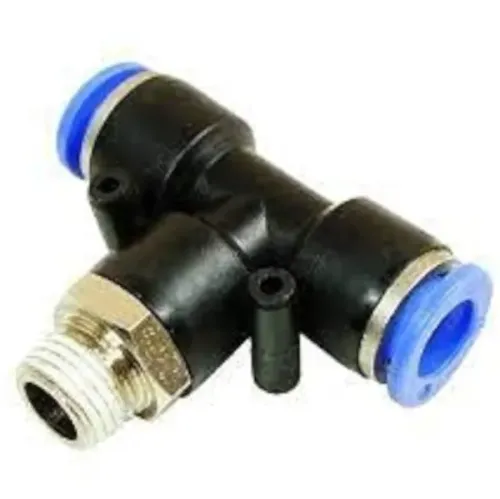
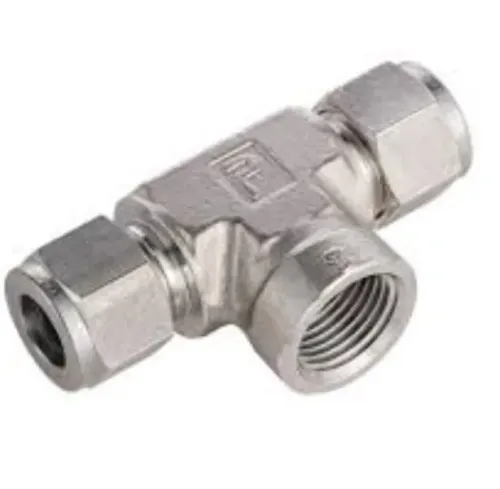
- Tee fittings
- Straight connectors
- Union fittings
- Bulkhead fittings
- Reducers
- Quick-release couplings
Each type is designed to simplify installation while ensuring dependable performance under industrial operating conditions.
Why Choosing the Right Pneumatic Fittings Matters in Navi Mumbai Industries
Industrial facilities across Navi Mumbai often operate around the clock, making equipment reliability a top priority. Even a minor air leak caused by an unsuitable fitting can lead to higher energy consumption and reduced machine efficiency.
Proper pneumatic fittings offer several advantages:
- Reduced compressed air leakage
- Improved system efficiency
- Faster installation and maintenance
- Longer equipment life
- Stable operating pressure
- Better workplace safety
These benefits become especially valuable in automated manufacturing environments where consistent performance directly affects productivity.
Materials Used in Pneumatic Fittings
Selecting the appropriate material depends on the operating environment and application.
Brass Fittings
Brass fittings provide excellent corrosion resistance and are suitable for general industrial pneumatic systems.
Stainless Steel Fittings
These fittings are ideal for industries where moisture, chemicals, or corrosive environments are present. Food processing, pharmaceuticals, and marine applications commonly use stainless steel options.
Plastic Engineering Fittings
Lightweight and economical, engineered plastic fittings are widely used in automation equipment where moderate pressure and clean operating conditions are maintained.
Nickel-Plated Brass
These combine the durability of brass with additional corrosion protection, making them suitable for demanding industrial environments.
Factors to Consider Before Selecting Pneumatic Fittings
Choosing the right fitting involves more than matching thread sizes.
Operating Pressure
Always verify the maximum working pressure of the system before selecting fittings. Using components with inadequate pressure ratings can result in premature failures.
Tube Size Compatibility
The fitting should match the outside diameter of the pneumatic tubing to ensure a secure seal.
Temperature Conditions
Industrial environments may expose fittings to extreme temperatures. Ensure the selected material performs reliably within the operating temperature range.
Thread Standards
Different equipment may use different thread specifications, including:
- BSP
- NPT
- Metric threads
Incorrect thread matching can cause leakage and installation issues.
Media Compatibility
While pneumatic systems primarily carry compressed air, some applications involve lubricated air or inert gases. The fitting material should be compatible with the operating medium.
Common Problems Caused by Poor-Quality Pneumatic Fittings
Using low-grade fittings often results in recurring maintenance issues.
Some common problems include:
- Air leakage
- Loose tubing connections
- Frequent replacement
- Pressure drops
- Increased compressor workload
- Production interruptions
These issues not only increase maintenance costs but also reduce overall equipment efficiency.
Best Practices for Installation
Proper installation significantly extends the service life of pneumatic fittings.
Follow these recommendations:
- Inspect fittings before installation.
- Use correctly sized tubing.
- Avoid excessive tightening.
- Ensure tubing is cut cleanly.
- Remove dust and debris before assembly.
- Test the system for leaks after installation.
- Replace damaged fittings immediately.
These simple practices help maintain optimal system performance while reducing maintenance requirements.
Applications Across Multiple Industries
Pneumatic fittings are used in numerous industrial sectors, including:
- Manufacturing plants
- Packaging machinery
- Textile equipment
- Automotive production
- Chemical processing
- Pharmaceutical facilities
- Printing machinery
- Material handling systems
- CNC automation
- Food processing equipment
Their versatility makes them one of the most important components in modern pneumatic systems.
Choosing a Reliable Industrial Supplier
When sourcing pneumatic fittings, businesses should evaluate product quality, dimensional accuracy, compatibility with leading automation systems, and product availability. Working with an experienced supplier also helps ensure access to technical guidance and consistent inventory for ongoing maintenance needs.
Industrial suppliers such as Super Hydro Pneumatic support manufacturers in Navi Mumbai by offering a broad range of pneumatic components designed for dependable performance across diverse applications. Choosing a provider with expertise in industrial automation can simplify maintenance planning and improve long-term system reliability.
Well-selected pneumatic fittings may appear to be small components, but they have a significant impact on the overall efficiency of compressed air systems. Investing in quality fittings, proper installation, and routine inspection helps reduce energy losses, minimize downtime, and keep industrial operations running smoothly.
Keywords