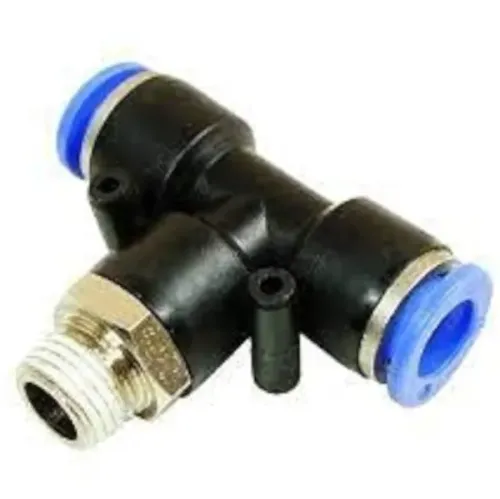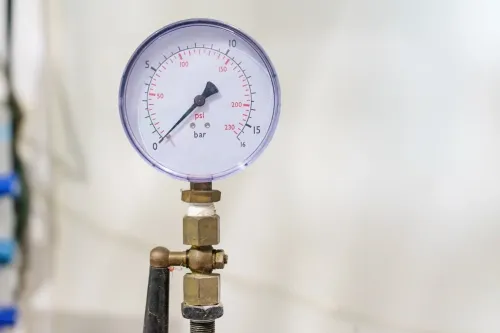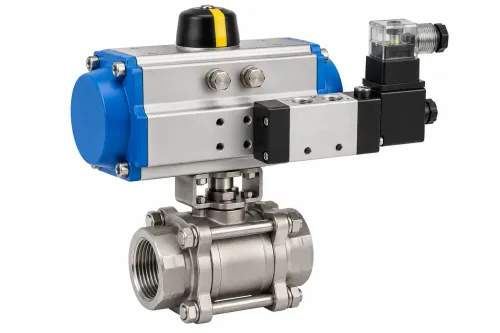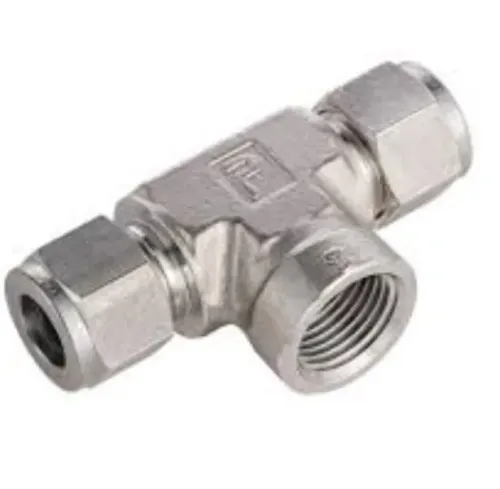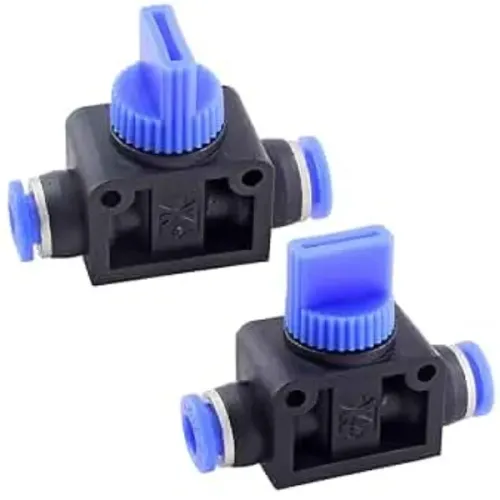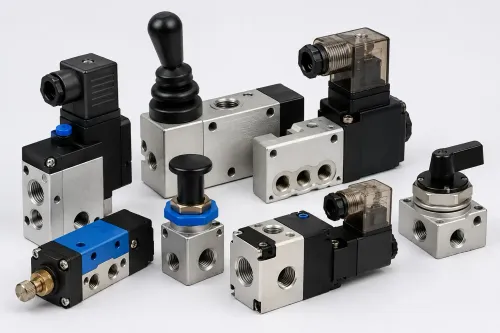
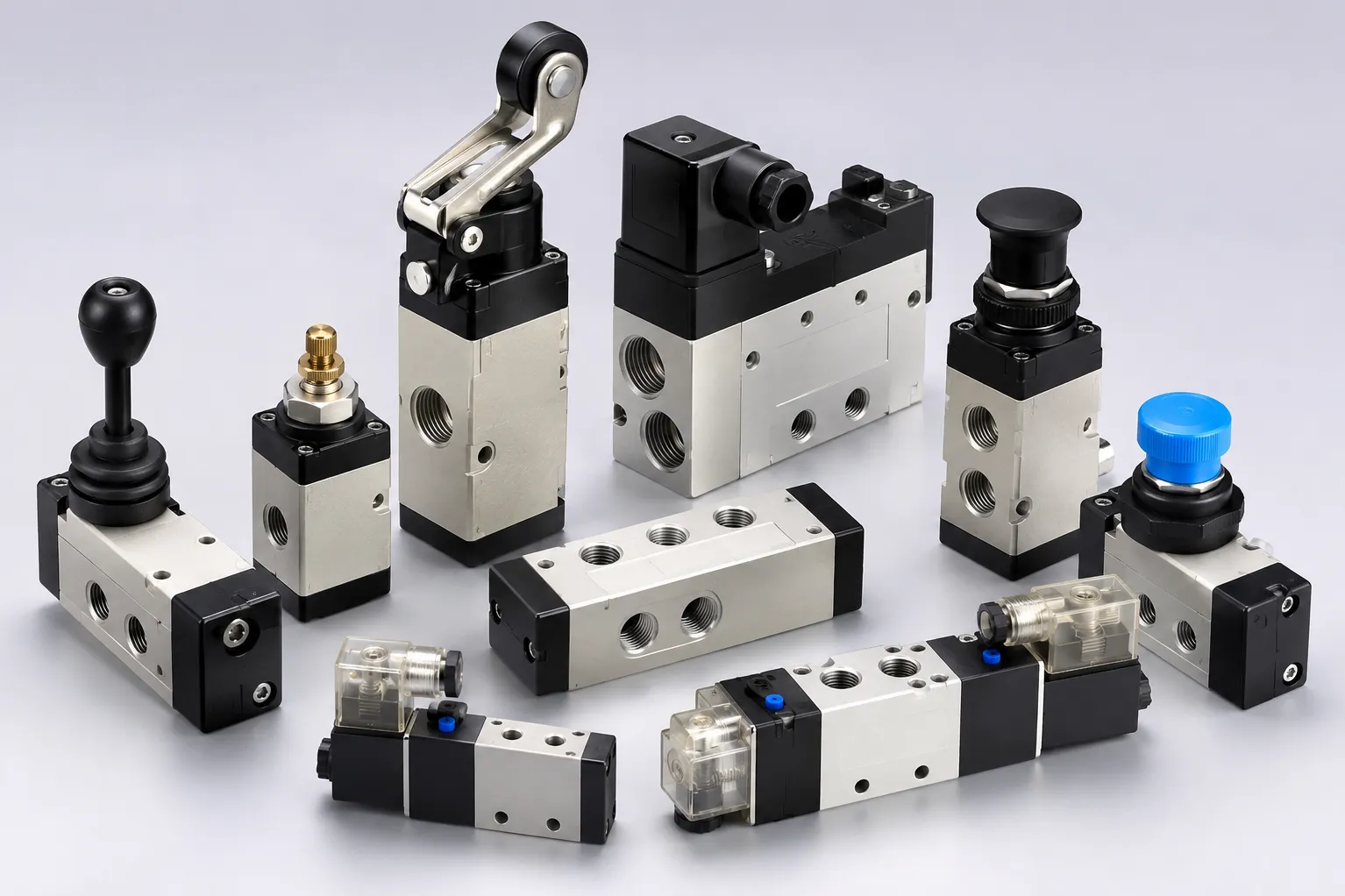
Pneumatic valves are the control center of any compressed air system. They regulate the direction, pressure, and flow of air, ensuring that cylinders, actuators, and other pneumatic components operate efficiently. Whether it's a packaging machine, CNC equipment, conveyor system, or automated production line, the right pneumatic valve can significantly improve productivity and equipment performance.
Industries across Navi Mumbai, Maharashtra, continue to adopt automation to increase output and reduce manual processes. As a result, selecting the appropriate pneumatic valve has become an important decision for manufacturers looking to build reliable and energy-efficient systems.
What Is a Pneumatic Valve?
A pneumatic valve is a mechanical device that controls the movement of compressed air within a pneumatic circuit. By directing airflow to different parts of a system, it enables machines to perform specific actions such as lifting, clamping, rotating, pushing, or retracting.
These valves work together with compressors, cylinders, air preparation units, and fittings to create a complete pneumatic automation system.
Why Pneumatic Valves Are Essential in Industrial Automation
Compressed air systems require precise airflow control to maintain smooth operations. Pneumatic valves provide this control while allowing automated equipment to respond quickly and accurately.
Some key advantages include:
- Fast operating speed
- Reliable airflow control
- Reduced manual intervention
- Lower maintenance requirements
- Improved production efficiency
- Enhanced machine safety
- Long service life
These benefits make pneumatic valves indispensable in modern manufacturing environments.
Common Types of Pneumatic Valves
Different industrial applications require different valve designs. Understanding these options helps businesses choose the most suitable solution.
Directional Control Valves
These are among the most widely used pneumatic valves. They determine the direction of compressed air and control actuator movement.
Popular configurations include:
- 2/2-way valves
- 3/2-way valves
- 5/2-way valves
- 5/3-way valves
Each configuration serves specific automation requirements.
Flow Control Valves
Flow control valves regulate the speed of pneumatic actuators by controlling the volume of compressed air passing through the system.
These valves are particularly useful where controlled movement is essential.
Pressure Control Valves
Pressure control valves maintain consistent operating pressure throughout the pneumatic system.
They help:
- Prevent overpressure
- Protect equipment
- Improve operational stability
- Increase component lifespan
Check Valves
Check valves allow airflow in one direction while preventing reverse flow.
They are commonly installed in systems where backflow could damage equipment or affect production.
Industries That Use Pneumatic Valves
Pneumatic valves are found in a wide range of industries.
Some common applications include:
- Automotive manufacturing
- Pharmaceutical production
- Food processing
- Chemical plants
- Textile machinery
- Printing equipment
- Packaging systems
- Plastic processing
- Material handling
- Robotics
- Engineering workshops
Their versatility makes them suitable for both simple machinery and advanced automated production lines.
Choosing the Right Pneumatic Valve
Selecting the right valve requires evaluating multiple operating factors.
Understand the Application
Begin by identifying whether the valve will control a cylinder, actuator, conveyor, robotic arm, or another pneumatic device.
The intended function determines the valve configuration required.
Consider Operating Pressure
Each valve is designed to operate within a specified pressure range.
Selecting a valve with insufficient pressure capacity may result in reduced performance and premature failure.
Flow Capacity
Flow rate directly affects actuator speed and machine efficiency.
Choose a valve capable of delivering adequate airflow without causing pressure drops.
Port Size
The valve's port size should match the connected tubing and fittings to maintain smooth airflow.
Incorrect sizing can reduce system performance.
Environmental Conditions
Industrial environments vary considerably.
Consider factors such as:
- Dust
- Moisture
- Chemicals
- Temperature
- Outdoor exposure
The valve material should withstand the operating environment.
Common Mistakes to Avoid
Many performance issues arise from improper valve selection rather than manufacturing defects.
Some common mistakes include:
- Choosing the wrong valve configuration
- Ignoring pressure ratings
- Using incompatible fittings
- Overlooking airflow requirements
- Installing valves incorrectly
- Skipping preventive maintenance
Avoiding these mistakes helps reduce unexpected downtime and maintenance costs.
Maintenance Tips for Long-Term Performance
Routine maintenance keeps pneumatic valves operating efficiently.
Best practices include:
- Inspect valves regularly.
- Check air quality and filtration.
- Clean accumulated dirt and debris.
- Monitor operating pressure.
- Replace worn seals when necessary.
- Verify electrical connections on solenoid-operated valves.
- Test valve response during scheduled maintenance.
Preventive maintenance improves reliability and extends equipment life.
Why Quality Matters When Selecting Pneumatic Valves
While pneumatic valves may appear to be standard components, their quality has a direct impact on system efficiency, air consumption, and production uptime. Precision manufacturing, durable materials, and consistent performance help reduce operational costs over the long term.
Industrial businesses in Navi Mumbai often source automation components from experienced suppliers like Super Hydro Pneumatic, which offers a comprehensive range of pneumatic products designed for industrial applications. Working with a knowledgeable supplier also makes it easier to identify valves that match specific machine requirements and operating conditions.
A well-selected pneumatic valve contributes to smoother automation, lower energy consumption, and improved productivity. By understanding valve types, evaluating application needs, and following proper maintenance practices, manufacturers can build compressed air systems that deliver reliable performance for years to come.
Keywords