In any pneumatic system, the quality of the connections is just as important as the compressor, valves, or cylinders. Even a small air leak caused by an unsuitable fitting can reduce system efficiency, increase energy consumption, and lead to unexpected production downtime. This is why many industries prefer reliable solutions such as SMC fittings for their compressed air applications.
From manufacturing units and packaging facilities to pharmaceutical plants and engineering workshops, industries in Navi Mumbai, Maharashtra rely on high-quality pneumatic fittings to keep automated systems operating efficiently. Understanding how to select the right SMC fittings can help improve productivity while reducing maintenance costs.
What Are SMC Fittings?
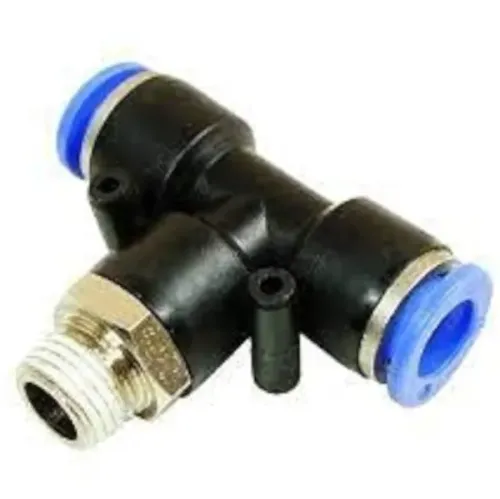
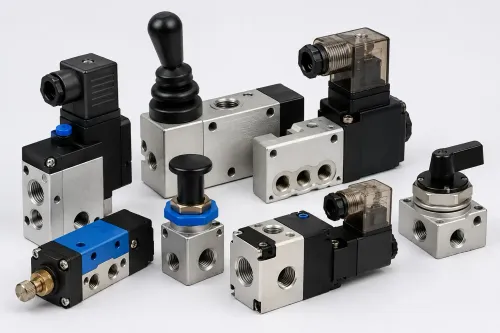
SMC fittings are pneumatic connectors designed to join tubing, hoses, valves, cylinders, and other components within a compressed air system. Their primary purpose is to create secure, leak-free connections that maintain consistent airflow.
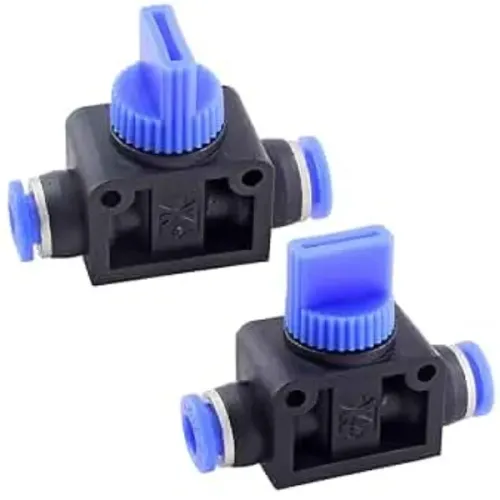
Modern pneumatic systems often use push-to-connect fittings because they simplify installation while providing dependable sealing performance.
These fittings are available in different sizes, thread types, and configurations to suit various industrial applications.
Why High-Quality Pneumatic Fittings Matter
Compressed air is one of the most expensive utilities in many manufacturing facilities. Even small leaks can significantly increase compressor operating costs over time.
Using high-quality fittings offers several benefits:
- Reduced air leakage
- Faster installation
- Improved machine efficiency
- Lower energy consumption
- Better equipment reliability
- Reduced maintenance frequency
- Longer service life
For production facilities operating multiple shifts, these advantages contribute directly to improved operational efficiency.
Common Types of SMC Fittings
Different machines require different connection styles.
Straight Fittings
Straight fittings are commonly used where tubing connects directly between components without changing direction.
Elbow Fittings
Elbow fittings allow tubing to change direction while maintaining smooth airflow.
They are ideal where installation space is limited.
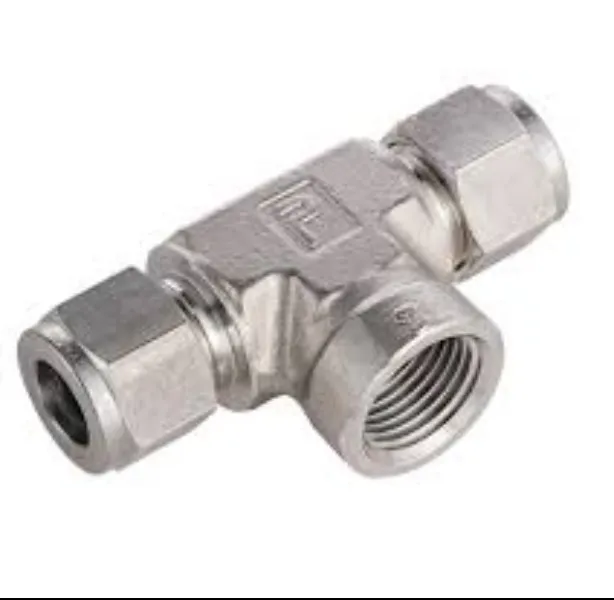
Tee Fittings
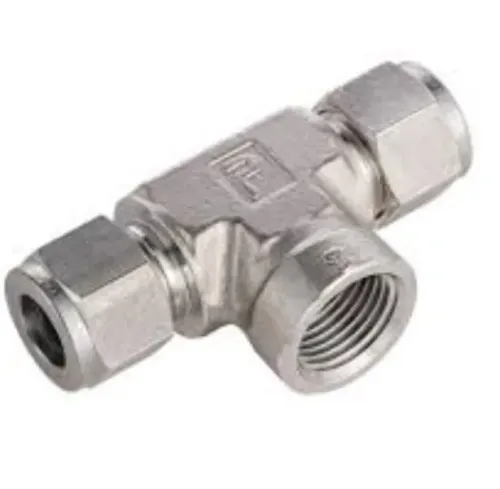
Tee fittings divide compressed air into multiple flow paths and are frequently used in automated production systems.
Union Fittings
Union fittings connect two sections of tubing and simplify maintenance by allowing easy disassembly.
Bulkhead Fittings
Bulkhead fittings provide secure connections through machine panels or equipment enclosures.
Factors to Consider Before Selecting SMC Fittings
Selecting the right fitting requires evaluating several technical specifications.
Tube Size
The fitting should match the outside diameter of the pneumatic tube to ensure a secure connection.
Incorrect sizing may result in leakage or tube damage.
Thread Type
Industrial equipment may use different thread standards such as:
- BSP
- NPT
- Metric threads
Always verify thread compatibility before installation.
Operating Pressure
Every fitting has a specified pressure rating.
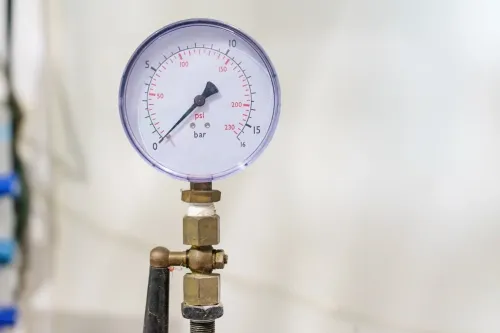
Ensure the selected fitting safely handles the operating pressure of the compressed air system.
Temperature Range
Industrial environments can expose fittings to varying temperatures.
Choose materials capable of performing reliably under actual operating conditions.
Material Selection
Common fitting materials include:
- Nickel-plated brass
- Stainless steel
- Engineered plastic
The best choice depends on pressure, environment, and application requirements.
Industries That Commonly Use Pneumatic Fittings
SMC fittings are widely used in industries such as:
- Automotive manufacturing
- Pharmaceutical production
- Food processing
- Packaging machinery
- Textile manufacturing
- Plastic processing
- Electronics assembly
- Printing equipment
- Material handling systems
- General engineering
Their versatility makes them suitable for nearly every compressed air application.
Common Mistakes During Installation
Even premium fittings can perform poorly if installed incorrectly.
Avoid these common mistakes:
- Using incorrect tube sizes
- Over-tightening threaded fittings
- Mixing incompatible thread standards
- Installing damaged tubing
- Ignoring pressure ratings
- Reusing worn fittings
- Skipping leak testing after installation
Following correct installation procedures improves both safety and performance.
Best Practices for Maintaining Pneumatic Fittings
Routine inspections help prevent costly production interruptions.
Maintenance recommendations include:
- Inspect fittings for visible wear.
- Check for air leaks regularly.
- Replace cracked or damaged tubing.
- Tighten threaded connections when necessary.
- Keep compressed air clean using quality filters.
- Replace worn seals during scheduled maintenance.
- Verify fitting compatibility whenever equipment is upgraded.
Preventive maintenance extends the lifespan of the entire pneumatic system.
Choosing a Reliable Supplier in Navi Mumbai
The performance of a pneumatic system depends not only on the quality of its fittings but also on selecting components that match the application's technical requirements. Working with an experienced supplier ensures access to compatible products and knowledgeable support when designing or maintaining automation systems.
Many manufacturers in Navi Mumbai source pneumatic fittings and automation components through Super Hydro Pneumatic, which supplies products for a broad range of industrial applications. A supplier with expertise in pneumatic systems can assist businesses in choosing fittings that improve efficiency while reducing maintenance challenges.
Although they are relatively small components, SMC fittings play a major role in maintaining reliable compressed air systems. By selecting the correct fitting type, ensuring proper installation, and following routine maintenance practices, manufacturers can reduce air leakage, improve productivity, and support long-term operational performance.
Keywords