A pressure reading can reveal a great deal about what is happening inside industrial equipment. Whether a machine uses compressed air or hydraulic fluid, a pressure gauge gives operators a direct indication of system pressure and can help identify abnormal operating conditions before they become larger maintenance issues.
However, useful pressure monitoring depends on choosing the correct gauge and interpreting its readings properly.
Why Pressure Monitoring Matters
Industrial pneumatic and hydraulic equipment is designed to operate within specified pressure limits. If pressure is too low, actuators may become slow or fail to generate sufficient force. Excessive pressure can place unnecessary stress on hoses, seals, fittings, valves, and other components.
A correctly positioned gauge helps operators verify whether the system is operating within its intended range.
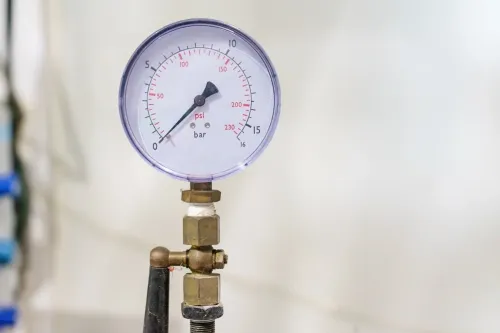
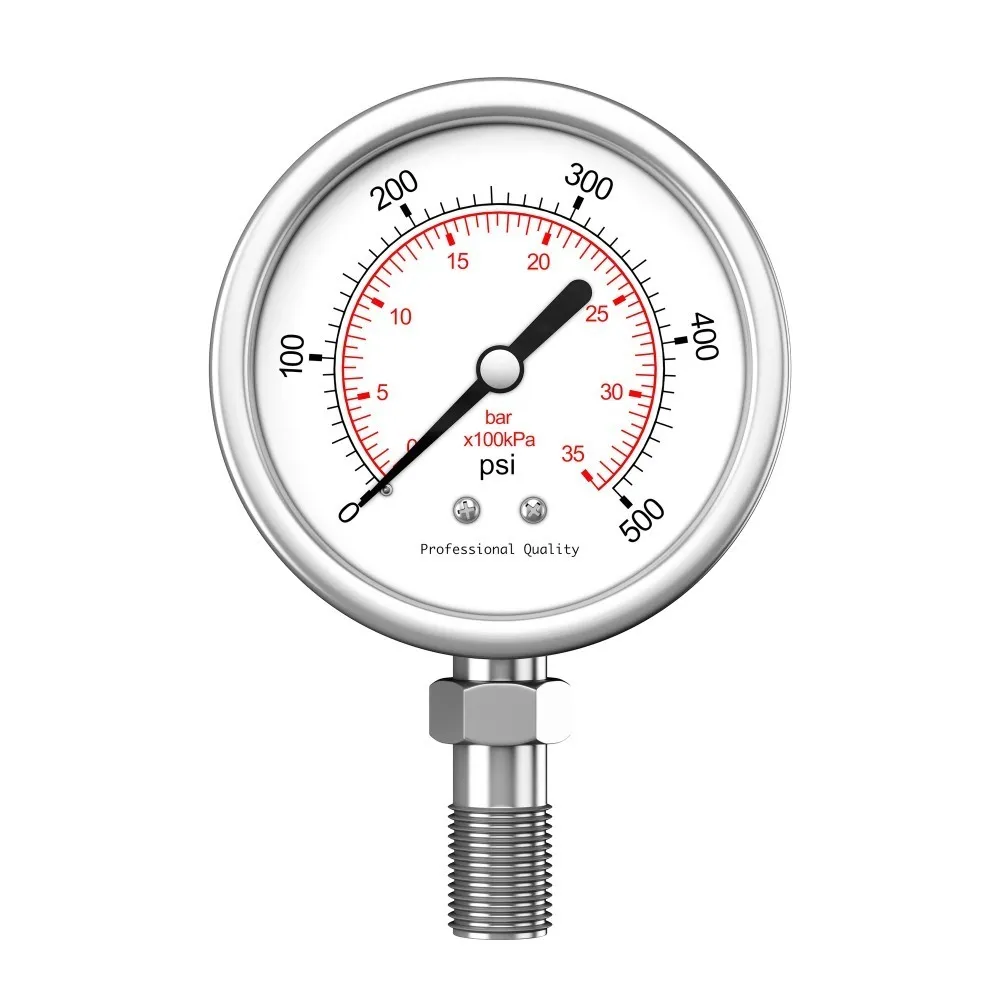
Understanding the Gauge Range
Selecting a gauge solely because its maximum pressure exceeds system pressure is not ideal.
If a normal operating pressure occupies only a very small portion of the gauge scale, minor changes become difficult to read. Conversely, operating continuously near the gauge's maximum range can place excessive stress on the measuring mechanism.
A practical gauge range should provide clear visibility around the equipment's normal working pressure while allowing reasonable capacity for fluctuations.
Where Should Pressure Be Measured?
A single reading does not necessarily describe the condition of an entire circuit.
For example, a compressor or hydraulic power unit may show correct supply pressure while pressure at the actuator is lower because of restrictions elsewhere.
Useful measurement points can include:
- Main supply line
- Downstream of pressure regulators
- Hydraulic pump outlet
- Valve manifolds
- Individual machine circuits
- Diagnostic test points
Comparing readings at different locations can help identify where a pressure drop occurs.
What Can an Abnormal Reading Indicate?
Low pressure does not automatically mean the pump or compressor is faulty. Possible causes can include leakage, a blocked filter, incorrectly adjusted regulator, restricted hose, worn component, or excessive simultaneous demand.
Similarly, fluctuating readings may indicate unstable supply conditions, pulsation, or changing loads.
Pressure data is most valuable when combined with knowledge of normal machine operation.
Consider the Working Environment
Manufacturing facilities around Navi Mumbai and Maharashtra may expose instrumentation to vibration, temperature changes, moisture, dust, or mechanical impact. Gauge construction and installation should reflect these conditions.
Depending on the application, factors such as dial size, connection position, case construction, mounting arrangement, and vibration resistance may influence selection.
Operators should also periodically inspect gauges for damaged lenses, bent pointers, loose connections, or readings that do not return correctly when pressure is removed.
A pressure gauge is therefore more than a dial showing a number. When appropriately specified and positioned, it becomes a practical diagnostic tool that helps industrial teams understand equipment performance, recognize pressure abnormalities, and maintain safer, more predictable pneumatic and hydraulic operation.
Keywords