Selecting pneumatic components may seem straightforward, but every decision influences the performance, efficiency, and reliability of an industrial automation system. Whether you are setting up a new production line, upgrading existing machinery, or replacing worn-out parts, choosing the right pneumatic products helps minimise downtime and maximise productivity.
Manufacturers in Navi Mumbai, Maharashtra are increasingly investing in automation to improve production quality and reduce operational costs. However, these benefits can only be achieved when every pneumatic component is compatible with the system and capable of handling the required operating conditions.
Understand Your Application Before Purchasing
The first step is identifying where and how the pneumatic components will be used.
Different applications require different products. For example:
- Packaging machines require fast-response valves.
- CNC machines need precise air pressure control.
- Assembly lines depend on reliable pneumatic fittings.
- Material handling systems require durable cylinders and hoses.
- Process industries often require corrosion-resistant components.
Buying components without understanding the application often leads to poor performance and unnecessary replacement costs.
Select Components That Work Together
A pneumatic system functions as a complete unit. Every component should be compatible with the others to maintain efficiency.
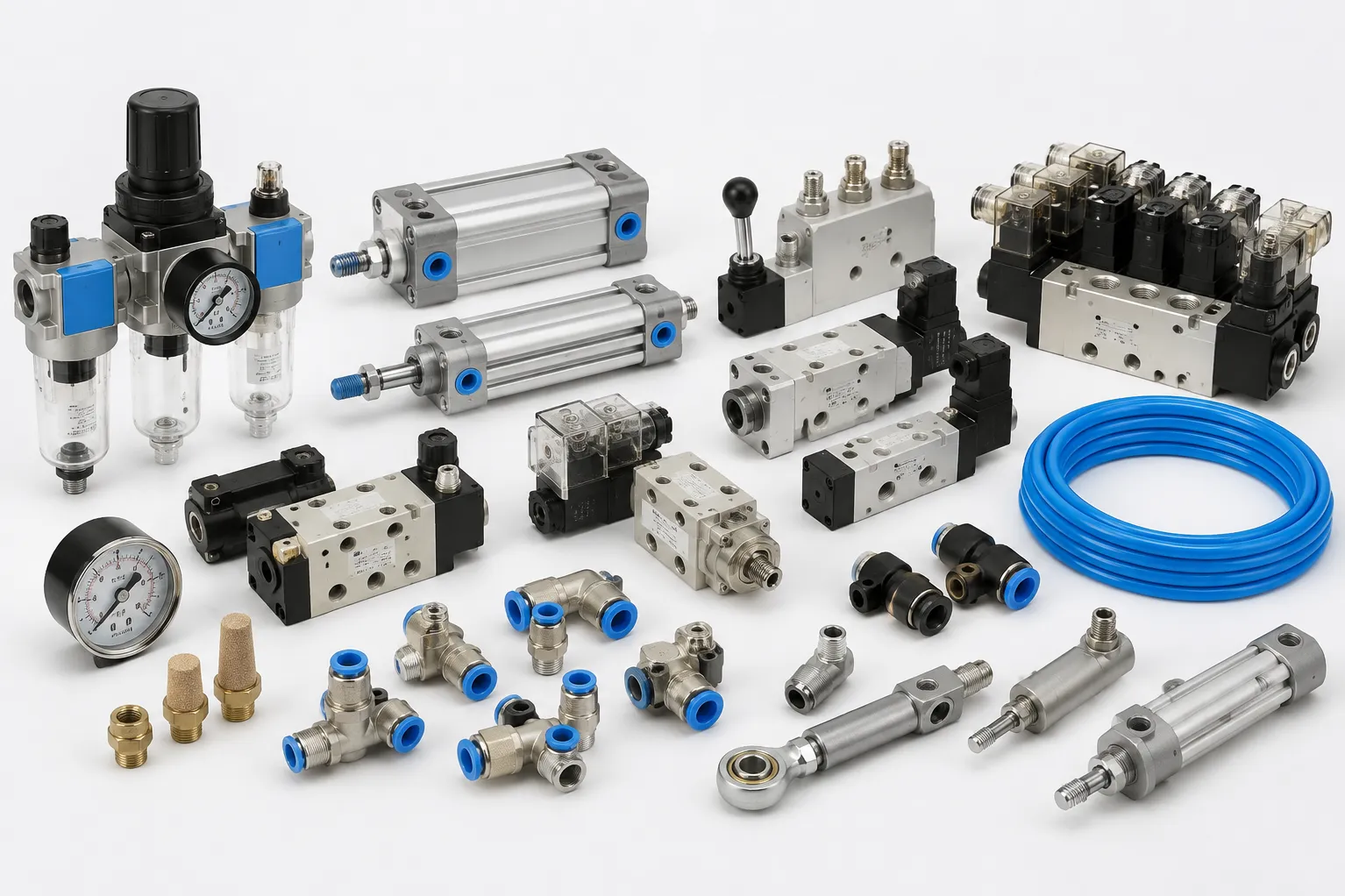
Common components include:
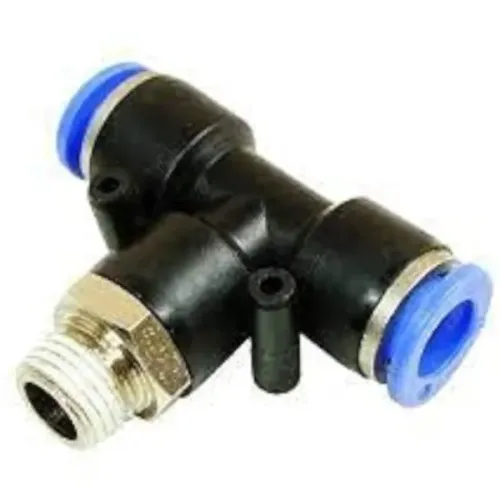
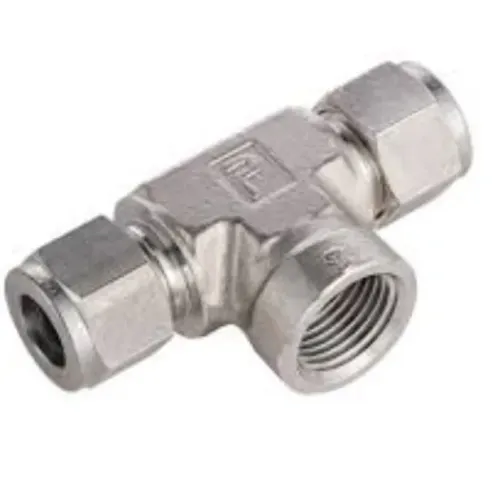
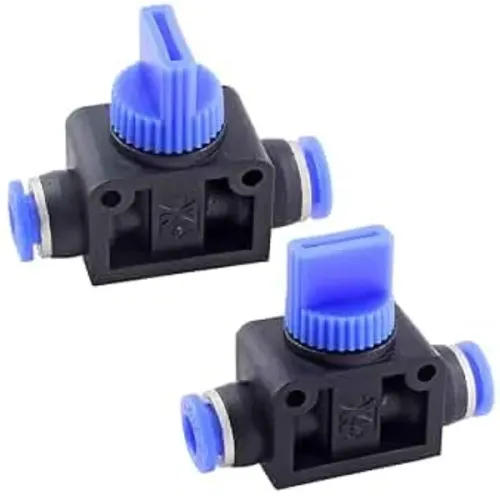
- Pneumatic fittings
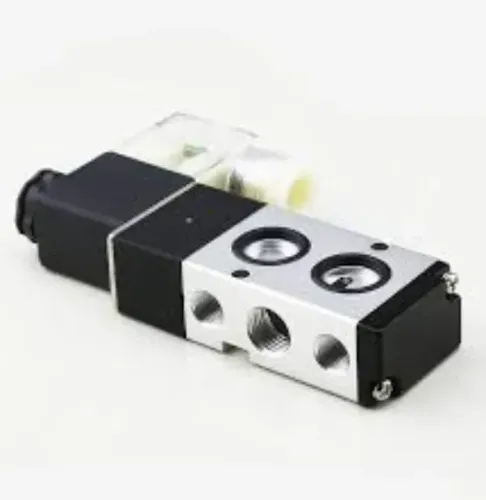
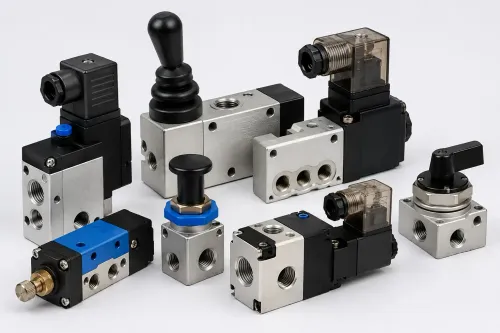
- Solenoid valves
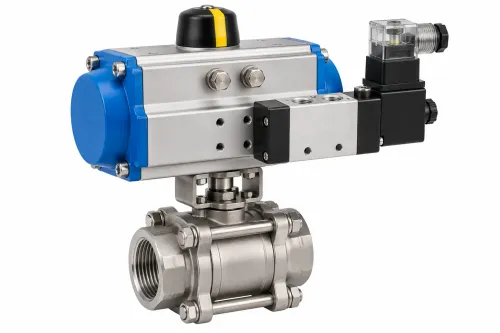
- Pneumatic valves
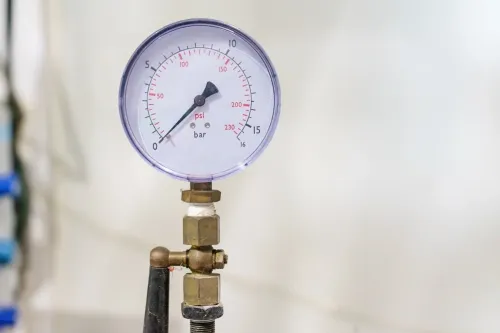
- Pressure gauges
- Air preparation units
- Pneumatic cylinders
- Hose pipes
- Hydraulic hoses for associated hydraulic systems
- Tubing and connectors
Using incompatible components can result in air leakage, pressure loss, and reduced machine performance.
Pay Attention to Operating Pressure
Every pneumatic component has a specified working pressure.
Before purchasing, verify:
- Maximum operating pressure
- Normal working pressure
- Safety margins
- Pressure compatibility with connected equipment
Using components below the required pressure rating can lead to premature failures and unsafe operating conditions.
Choose the Right Material
Industrial environments vary considerably, making material selection an important factor.
Common options include:
Brass
Suitable for general industrial pneumatic systems and resistant to corrosion.
Stainless Steel
Recommended for pharmaceutical, food processing, marine, and chemical applications where corrosion resistance is essential.
Engineering Plastic
Lightweight and suitable for many automation systems operating under moderate pressure.
Selecting the appropriate material improves durability and extends component life.
Consider Environmental Conditions
Industrial components must perform reliably under actual operating conditions.
Evaluate factors such as:
- Dust
- Moisture
- High temperatures
- Chemical exposure
- Outdoor installation
- Continuous operation
Components designed for the environment generally require less maintenance and offer longer service life.
Evaluate Product Quality Instead of Price Alone
Lower-priced products may appear attractive initially but often require more frequent replacement.
High-quality pneumatic components typically provide:
- Better sealing performance
- Greater dimensional accuracy
- Longer operational life
- Improved energy efficiency
- Reduced maintenance costs
- Higher system reliability
Looking beyond the purchase price often results in better long-term value.
Ensure Future Availability of Replacement Parts
Industrial equipment operates for many years.
Before selecting a product range, confirm that replacement components will remain readily available.
This simplifies future maintenance and reduces equipment downtime.
A supplier with a broad product portfolio can usually support both current and future requirements.
Work with an Experienced Supplier
The right supplier contributes more than product availability.
An experienced industrial supplier can assist with:
- Product selection
- Technical specifications
- Compatibility checks
- Installation guidance
- Inventory planning
- Bulk procurement
- Ongoing technical support
This expertise helps businesses avoid purchasing mistakes and improves overall system reliability.
Create a Preventive Maintenance Plan
Buying quality components is only one part of maintaining an efficient pneumatic system.
Routine inspections should include:
- Checking for air leaks.
- Monitoring pressure levels.
- Inspecting hose condition.
- Testing valve operation.
- Replacing worn fittings.
- Cleaning filters and air preparation units.
- Recording maintenance history.
Preventive maintenance helps identify small issues before they affect production.
Supporting Manufacturing Growth in Navi Mumbai
As industrial automation continues to expand across Navi Mumbai, manufacturers require dependable pneumatic solutions that meet demanding production requirements. Choosing the right components from the outset helps improve productivity while reducing operating costs.
Super Hydro Pneumatic supplies a wide range of pneumatic products for industrial applications, including fittings, valves, pressure gauges, hose solutions, and automation accessories. Businesses that partner with experienced suppliers benefit from technical guidance, dependable product availability, and components suited to modern manufacturing systems.
Purchasing pneumatic components is an investment in the long-term performance of your facility. By carefully evaluating application requirements, operating conditions, material quality, and supplier expertise, manufacturers can build reliable pneumatic systems that support efficient production, minimise downtime, and deliver consistent performance year after year.
Keywords