A pressure gauge may seem like a simple instrument, but it plays a critical role in maintaining the safety, efficiency, and performance of industrial systems. From pneumatic and hydraulic equipment to compressors, boilers, and processing plants, pressure gauges help operators monitor system pressure in real time and detect issues before they become costly failures.
As industries in Navi Mumbai, Maharashtra continue to expand their automation capabilities, reliable pressure monitoring has become more important than ever. Choosing the right pressure gauge not only protects equipment but also improves operational efficiency and supports preventive maintenance.
What Is a Pressure Gauge?
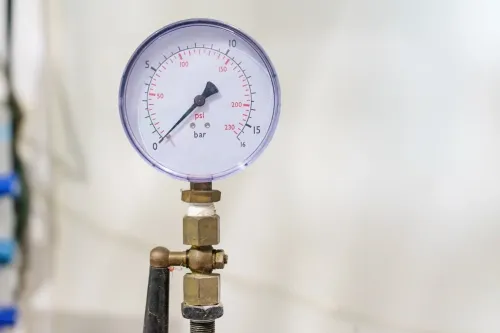
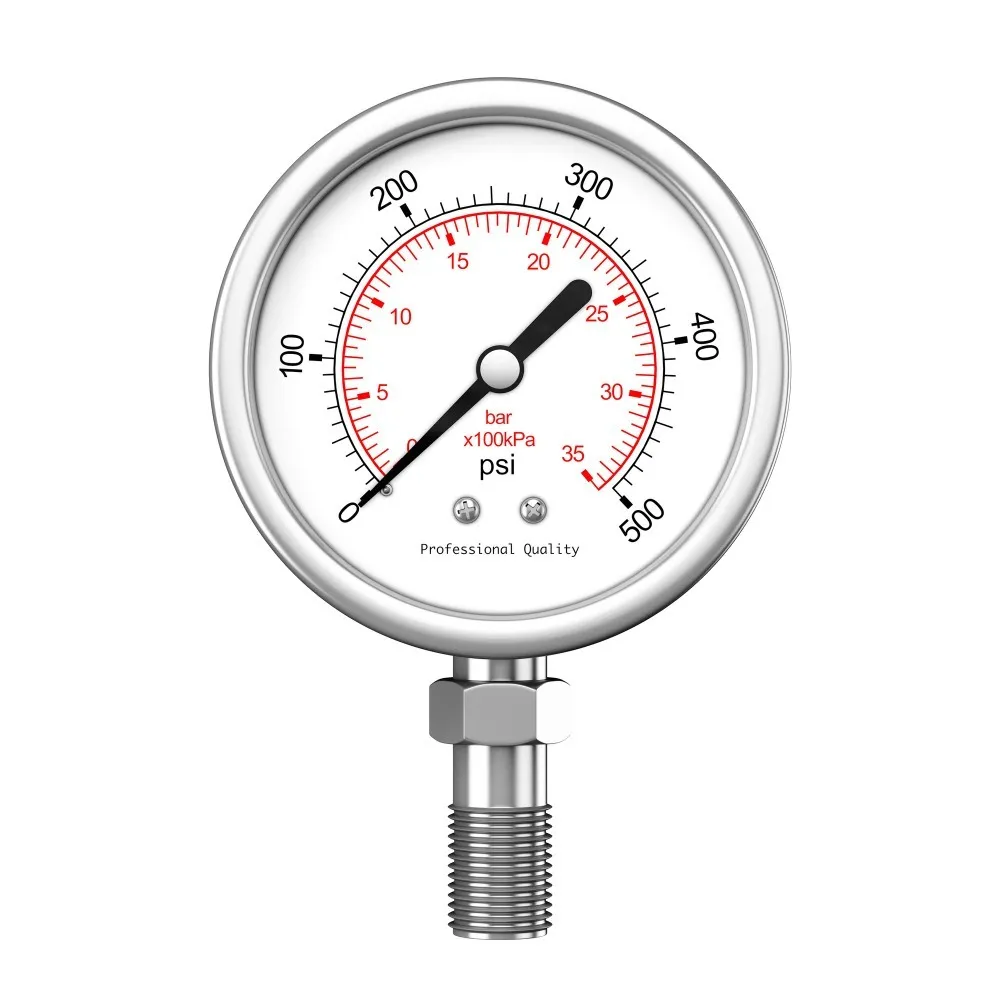
A pressure gauge is a measuring instrument used to monitor the pressure of gases or liquids within a system. It provides operators with a visual indication of pressure levels, allowing them to ensure equipment is operating within safe limits.
Pressure gauges are commonly installed in:
- Air compressors
- Pneumatic systems
- Hydraulic machinery
- Water treatment plants
- Chemical processing equipment
- HVAC systems
- Industrial pumps
- Manufacturing machinery
Without accurate pressure readings, even a well-designed system can experience reduced performance or unexpected breakdowns.
Why Pressure Monitoring Is So Important
Industrial systems rely on maintaining the correct pressure for efficient operation. Both excessive and insufficient pressure can create serious problems.
Proper pressure monitoring helps:
- Prevent equipment damage
- Improve operational safety
- Reduce energy consumption
- Detect leaks early
- Maintain consistent production quality
- Increase equipment lifespan
- Minimise unexpected downtime
By continuously monitoring system pressure, operators can identify abnormal conditions before they escalate into major maintenance issues.
Common Types of Pressure Gauges
Different industries require different types of pressure gauges based on operating conditions and application requirements.
Bourdon Tube Pressure Gauge
This is the most commonly used pressure gauge in industrial applications. It offers reliable performance, simple construction, and excellent durability.
Typical applications include compressed air systems, hydraulic equipment, and general manufacturing.
Digital Pressure Gauge
Digital gauges provide highly accurate readings with an easy-to-read display.
They are widely used where precision monitoring and data recording are important.
Differential Pressure Gauge
These gauges measure the pressure difference between two points.
They are commonly installed in filtration systems, cleanrooms, and process industries.
Vacuum Pressure Gauge
Vacuum gauges measure pressure below atmospheric pressure and are frequently used in vacuum pumps and specialised manufacturing processes.
Factors to Consider Before Choosing a Pressure Gauge
Selecting the right pressure gauge requires more than simply matching the pressure range.
Pressure Range
Choose a gauge whose normal operating pressure falls within the middle portion of its measurement range.
Operating continuously at the maximum limit can shorten the gauge's service life.
Accuracy
Applications requiring precise monitoring should use higher-accuracy gauges to ensure dependable readings.
Dial Size
Larger dial sizes improve visibility, particularly in industrial environments where equipment is monitored from a distance.
Connection Type
Pressure gauges are available with different mounting styles, including:
- Bottom connection
- Back connection
- Panel mounting
Selecting the correct configuration simplifies installation and maintenance.
Material Compatibility
The gauge should be manufactured from materials suitable for the operating environment.
Industries handling chemicals, moisture, or corrosive substances often prefer stainless steel construction for improved durability.
Industries That Depend on Pressure Gauges
Pressure gauges are used in almost every industrial sector.
Some common applications include:
- Pneumatic automation
- Hydraulic systems
- Pharmaceutical manufacturing
- Food processing
- Chemical plants
- Oil and gas facilities
- Textile machinery
- Engineering workshops
- Water treatment plants
- Packaging industries
- Power generation
Regardless of the industry, accurate pressure monitoring remains essential for maintaining system reliability.
Common Problems Caused by Faulty Pressure Gauges
A damaged or inaccurate pressure gauge can lead to poor decision-making and unsafe operating conditions.
Some common issues include:
- Incorrect pressure readings
- System overloading
- Equipment damage
- Increased maintenance costs
- Reduced production efficiency
- Unexpected machine failures
Regular inspection and timely replacement help avoid these risks.
Best Practices for Pressure Gauge Maintenance
Routine maintenance keeps pressure gauges functioning accurately and extends their service life.
Follow these recommendations:
- Inspect gauges regularly for visible damage.
- Calibrate gauges according to maintenance schedules.
- Protect gauges from excessive vibration.
- Replace damaged lenses or pointers.
- Verify pressure readings during preventive maintenance.
- Use pressure snubbers where pressure fluctuations occur.
- Replace gauges showing inconsistent readings.
Preventive maintenance reduces the likelihood of unexpected equipment failures.
Choosing a Reliable Supplier for Industrial Pressure Gauges
The quality of a pressure gauge directly affects system safety and operational efficiency. Selecting gauges that meet industrial standards and match application requirements is essential for long-term reliability.
Manufacturers in Navi Mumbai often work with experienced industrial suppliers such as Super Hydro Pneumatic, which offers pressure gauges and other pneumatic components suitable for a wide range of industrial applications. An experienced supplier can also provide technical guidance when selecting the right pressure range, connection type, and material for specific operating conditions.
Although it is a relatively small component, a pressure gauge plays a significant role in protecting equipment and maintaining efficient industrial operations. By choosing the appropriate gauge, installing it correctly, and following a consistent maintenance routine, businesses can improve system performance, reduce downtime, and create a safer working environment.