Navi Mumbai
08048035056
Cart
Home
About
About Us
Our Team
Testimonials
Products
MS HYDROMLIC FITTING
PNEUMATIC VALVE
Pneumatic push fitting
MS HYDRAULIC FITTING
BRASS PIPE FITTINGS
View All
Latest News
Gallery
Photos
Contact
Navi Mumbai
08048035056
Pneumatic Valve Products
Home
All Products
Pneumatic Valve Products
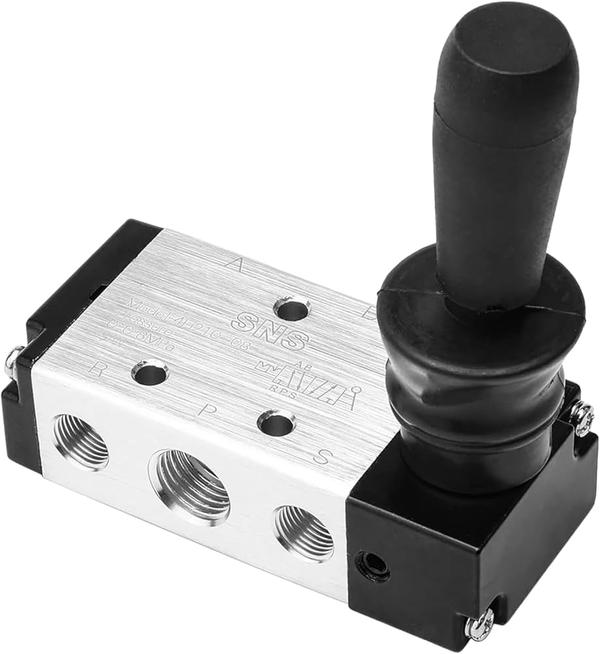
PNEUMATIC VALVE
HAND LEVER VALVE 1/4" X 5/2
INR 0
Message
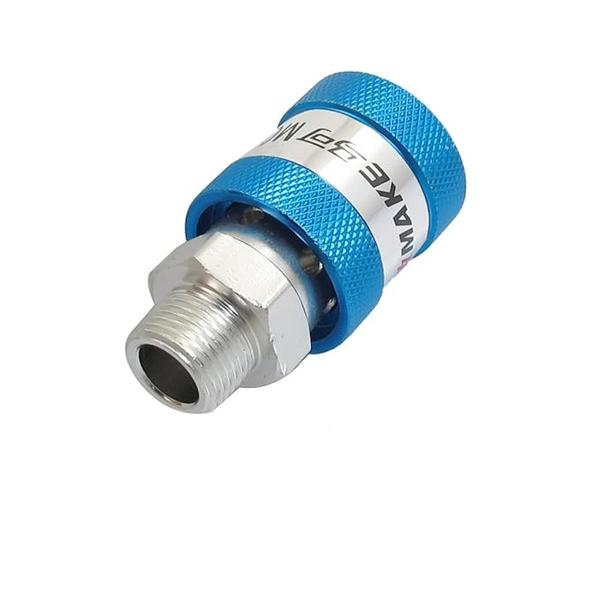
PNEUMATIC VALVE
HAND SLIDE VALVE MALE X FEMALE
INR 0
Message
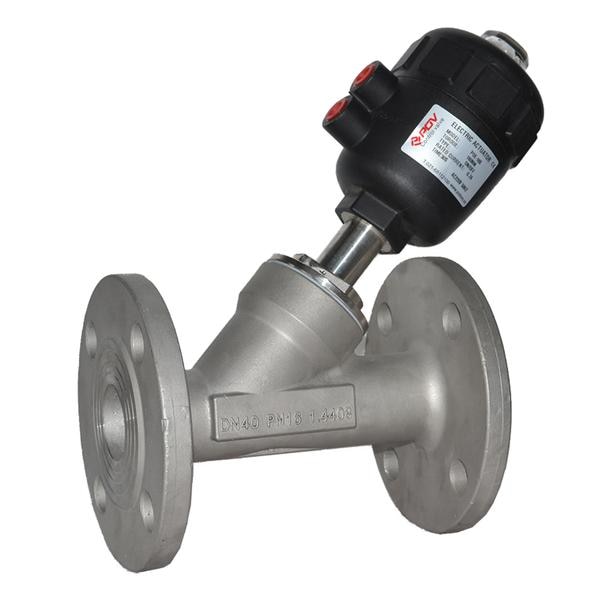
PNEUMATIC VALVE
ANGLE SEAT VALVE FLANGE TYPE
INR 0
Message
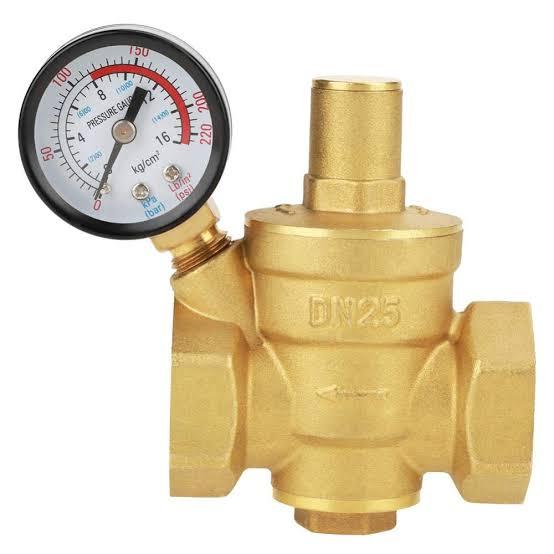
PNEUMATIC VALVE
BRASS PRESSURE REDUCING VALVE 1/2“ , 3/4” , 1“, 1 1/4”, 1 1/2“, 2” ?
INR 0
Message
PNEUMATIC VALVE
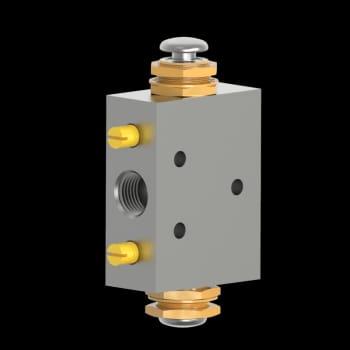
5/2 DOUBLE BUTTON
INR 0
Message
PNEUMATIC VALVE
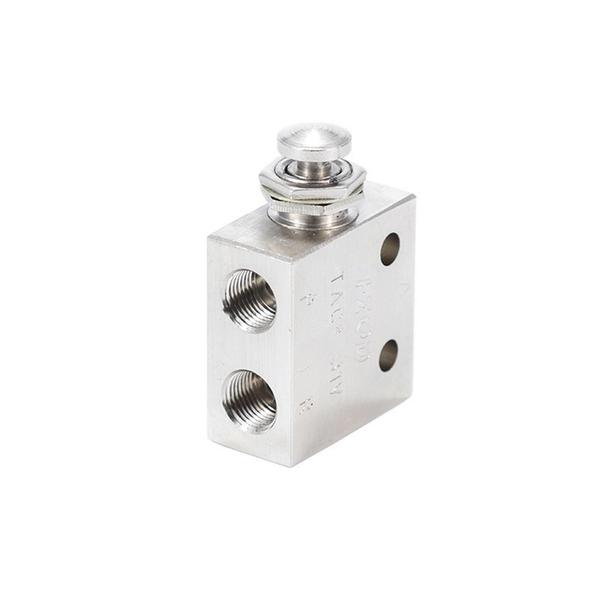
3/2 BUTTON VALVE3/2
INR 0
Message
PNEUMATIC VALVE
5/2 DOUBLE BUTTON
INR 0
Message
PNEUMATIC VALVE
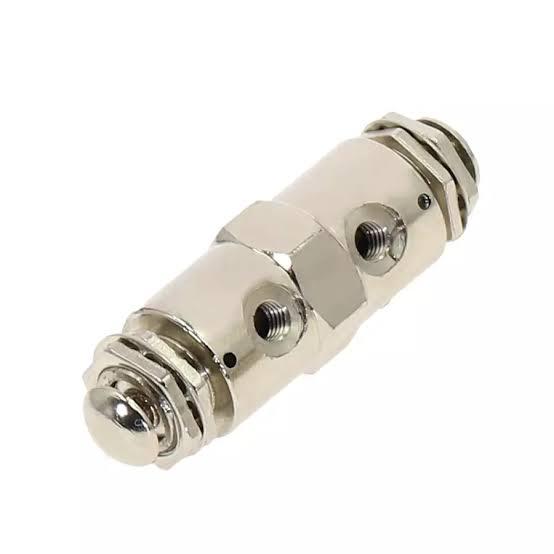
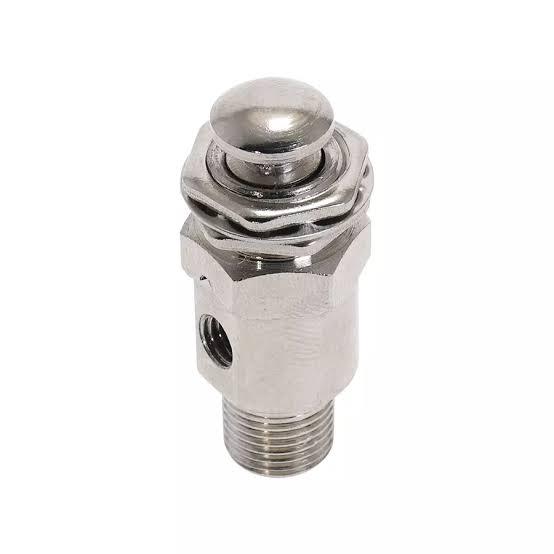
2/2 BUTTON
INR 0
Message
PNEUMATIC VALVE
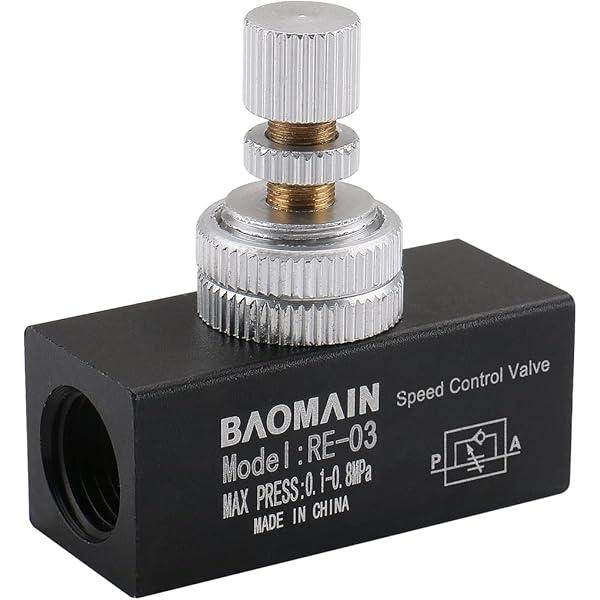
FLOW CONTROL VALVE
INR 0
Message
PNEUMATIC VALVE
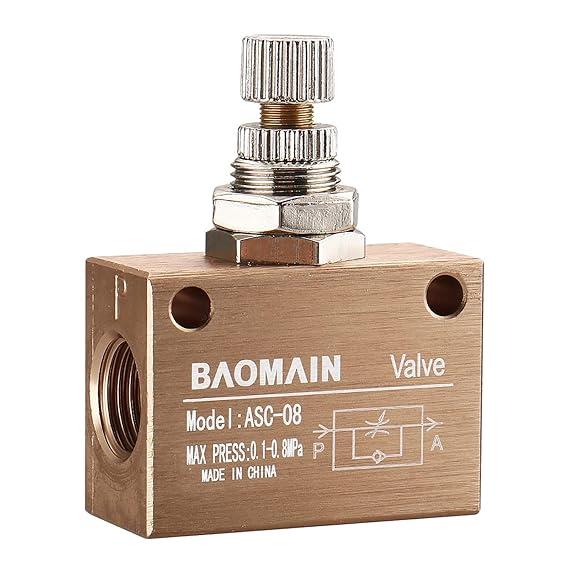
ACCURATE FLOW CONTROL VALVE
INR 0
Message
PNEUMATIC VALVE
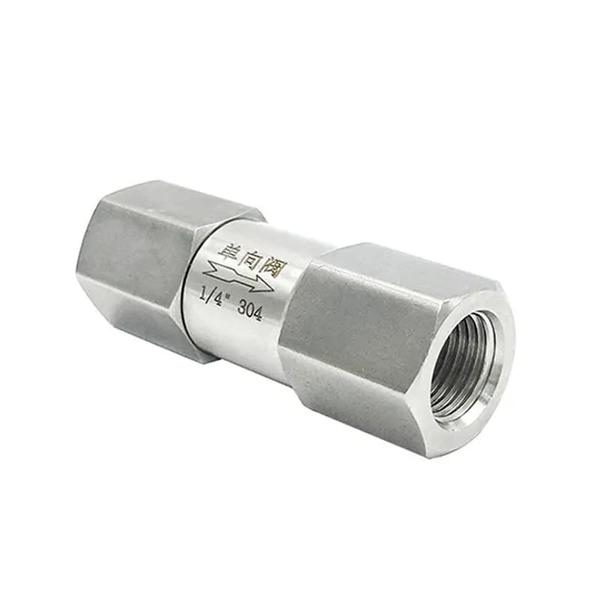
CHECK VALVE
INR 0
Message
PNEUMATIC VALVE
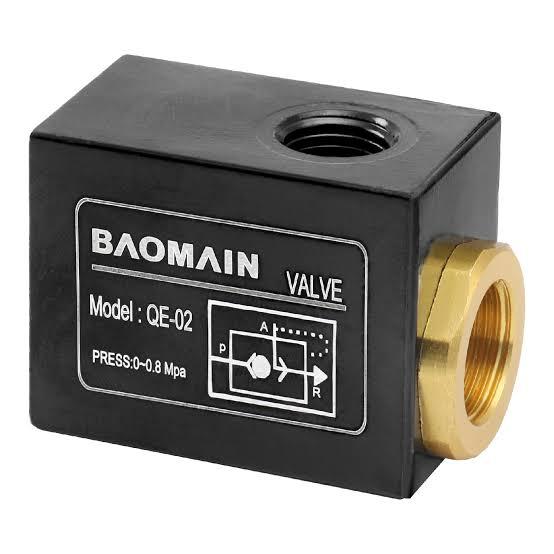
QUICK EXHAUST VALVE
INR 0
Message
Page 1 out of 2
Subcategory Tags
08-2W
1 1/2" FLANGE Y-TYPE VALVE SUPPLIER IN MUMBAI
1 1/2" FLANGE Y-TYPE VALVE SUPPLIER IN NAVI MUMBAI
1 1/2" FLANGE Y-TYPE VALVE SUPPLIER IN THANE
1 1/2" SINGLE ACTING PILOT OPERATED VALVE
1 1/2" Y TYPE ANGLE VALVE
1 1/4" FLANGE Y-TYPE VALVE SUPPLIER IN MUMBAI
1 1/4" FLANGE Y-TYPE VALVE SUPPLIER IN NAVI MUMBAI
1 1/4" FLANGE Y-TYPE VALVE SUPPLIER IN THANE
1 1/4" Y TYPE ANGLE VALVE
1" FLANGE Y-TYPE VALVE SUPPLIER IN MUMBAI
1" FLANGE Y-TYPE VALVE SUPPLIER IN NAVI MUMBAI
1" FLANGE Y-TYPE VALVE SUPPLIER IN THANE
1" SINGLE ACTING PILOT OPERATED VALVE
1" Y TYPE ANGLE VALVE
1/2" FLANGE Y-TYPE VALVE SUPPLIER IN MUMBAI
1/2" FLANGE Y-TYPE VALVE SUPPLIER IN NAVI MUMBAI
1/2" FLANGE Y-TYPE VALVE SUPPLIER IN THANE
1/2" SINGLE ACTING PILOT OPERATED VALVE
1/2" Y TYPE ANGLE VALVE
10-2W
100 X 100 AIR CYLINDER
100 X 1000 AIR CYLINDER
100 X 125 AIR CYLINDER
100 X 150 AIR CYLINDER
100 X 160 AIR CYLINDER
100 X 200 AIR CYLINDER
100 X 25 AIR CYLINDER
100 X 250 AIR CYLINDER
100 X 300 AIR CYLINDER
100 X 350 AIR CYLINDER
100 X 40 AIR CYLINDER
100 X 400 AIR CYLINDER
100 X 450 AIR CYLINDER
100 X 50 AIR CYLINDER
100 X 500 AIR CYLINDER
100 X 600 AIR CYLINDER
100 X 75 AIR CYLINDER
100 X 80 AIR CYLINDER
100 X 800 AIR CYLINDER
100MF10
100MF2
100MF3
100MF4
100MF5
100MF6
100MF8
10MM ID COIL
15-2W
2" FLANGE Y-TYPE VALVE SUPPLIER IN MUMBAI
2" FLANGE Y-TYPE VALVE SUPPLIER IN NAVI MUMBAI
2" FLANGE Y-TYPE VALVE SUPPLIER IN THANE
2" SINGLE ACTING PILOT OPERATED VALVE
2" Y TYPE ANGLE VALVE
2/2 Brass Solenoid Valve
2/2 Brass diaphram solenoid Valve
2/2 Brass diaphram solenoid Valve supplier in mumbai
2/2 Brass diaphram solenoid Valve supplier in navi mumbai
2/2 Brass diaphram solenoid Valve supplier in thane
2/2 Brass diaphram solenoid Valve trading in mumbai
Contact Us
Phone Number
08048035056
Please keep 0 before dialling the number.
Email Address
shp9223306963@gmail.com
Opens Tomorrow at 10:00 AM
Sun: Closed
Mon–Sat: 10:00 AM – 08:00 PM
Other Website
Visit our other website
Address
39, Om Arcade, Ground Floor, Plot No. 1, Sector 20, Nr. Janta Market, Turbhe, Navi Mumbai, Navi Mumbai, 400705, India
Live Chat
Connect over WhatsApp to resolve your queries realtime.
Live WhatsApp Chat
Chat with us
Home
Products
Quote
Menu
About
About Us
Our Team
Testimonials
Latest News
Gallery
Photos
Contact